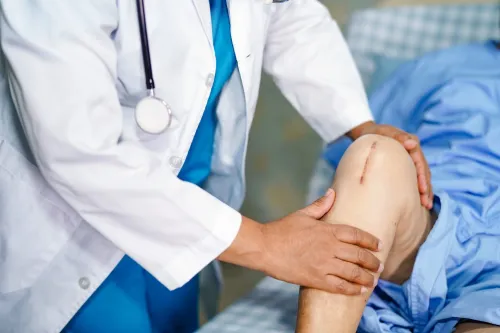
Knee pain can affect walking, climbing stairs, exercising, and even routine movements such as getting up from a chair. While many knee conditions improve with rest, physiotherapy, medication, or activity modification, some problems continue because there is structural damage inside the joint. In such situations, Knee Arthroscopy Treatment may be considered after a detailed orthopedic evaluation.
For patients in Kandivali, Maharashtra, understanding when arthroscopy is useful can make discussions about treatment more informed.
What Happens During Knee Arthroscopy
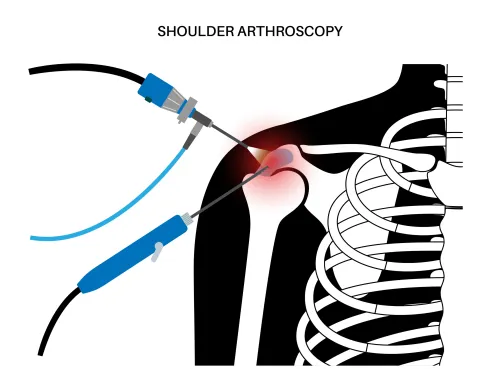
Knee arthroscopy is a minimally invasive procedure in which a small camera called an arthroscope is introduced into the knee through a small incision. The camera allows the orthopedic surgeon to examine structures inside the joint in detail.
Depending on the condition, additional small instruments may be used to treat the identified problem during the same procedure.
Compared with traditional open surgery, arthroscopy generally involves smaller incisions and less disruption of surrounding tissues. However, whether it is appropriate depends on the diagnosis rather than simply the severity of pain.
Conditions Commonly Evaluated Through Arthroscopy
Knee Arthroscopy Treatment may have a role in selected patients with conditions such as:
- Meniscus injuries
- Certain ligament-related problems
- Loose fragments inside the knee
- Cartilage damage
- Some causes of persistent locking
- Selected cases of joint inflammation
- Mechanical symptoms following knee injury
Not every painful knee requires arthroscopy. Osteoarthritis, muscle weakness, tendon problems, and referred pain can produce similar symptoms but may require very different management.
Symptoms That Deserve Assessment
Pain alone does not determine whether arthroscopy is necessary. Orthopedic evaluation becomes particularly important when knee symptoms interfere with daily function.
Patients may report clicking accompanied by pain, repeated swelling, difficulty fully straightening the knee, a sensation that the knee is catching, or episodes where the joint appears to lock.
An injury during sport, exercise, or an accidental twisting movement can also damage structures inside the knee.
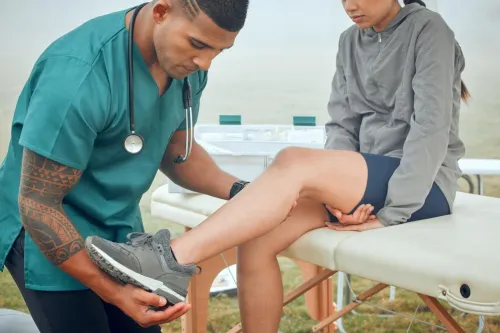
Clinical examination helps determine which structures may be involved. X-rays may be used to assess bones and joint spaces, while MRI can provide additional information about the meniscus, ligaments, cartilage, and other soft tissues.
Conservative Care Often Comes First
Many knee problems can initially be managed without surgery. Depending on the diagnosis, treatment may include activity modification, medication, physiotherapy, strengthening exercises, weight management, or temporary use of supportive devices.
The response to conservative treatment is an important part of decision-making.
For example, occasional knee discomfort without mechanical symptoms may improve through rehabilitation. Persistent locking caused by a structural problem inside the joint may require a different approach.
The objective is therefore not to perform arthroscopy simply because knee pain has lasted for several weeks. It is to identify the actual cause and select treatment that matches the underlying condition.
Recovery Depends on the Procedure Performed
Recovery after knee arthroscopy varies considerably. A diagnostic procedure or relatively limited intervention may have a different rehabilitation timeline from ligament reconstruction or more extensive repair.
Patients may need guidance regarding:
- Weight bearing
- Swelling control
- Knee movement
- Muscle strengthening
- Physiotherapy
- Returning to work
- Resuming sports
Following rehabilitation instructions is an important part of restoring knee function.
Dr. Gaurav Gupta evaluates knee conditions based on symptoms, examination findings, imaging, functional limitations, and previous treatment before discussing whether arthroscopy has an appropriate role.
For people in Kandivali dealing with persistent knee symptoms, the key question is not simply whether Knee Arthroscopy Treatment is available. A more useful question is whether the specific knee condition is likely to benefit from arthroscopic management.
Keywords