Knee arthritis can gradually affect walking, climbing stairs, standing, sleeping, and other everyday activities. When pain becomes persistent and conservative treatment no longer provides adequate relief, Total Knee Replacement may become an option for selected patients.
For people in Malad, Mumbai, deciding whether to undergo knee replacement requires more than looking at an X-ray. Symptoms, functional limitations, overall health, previous treatments, and the condition of the knee all need to be considered.
When Knee Replacement Becomes A Consideration
Knee replacement is generally considered when significant arthritis has caused persistent symptoms and everyday function has become substantially affected.
Possible indicators include:
- Persistent knee pain
- Significant stiffness
- Difficulty walking
- Pain during stairs
- Reduced ability to perform daily activities
- Symptoms affecting sleep
- Limited benefit from non-surgical treatment
Non-surgical measures may include medication, physiotherapy, weight management where appropriate, activity modification, injections, and other approaches.
What Happens During Total Knee Replacement
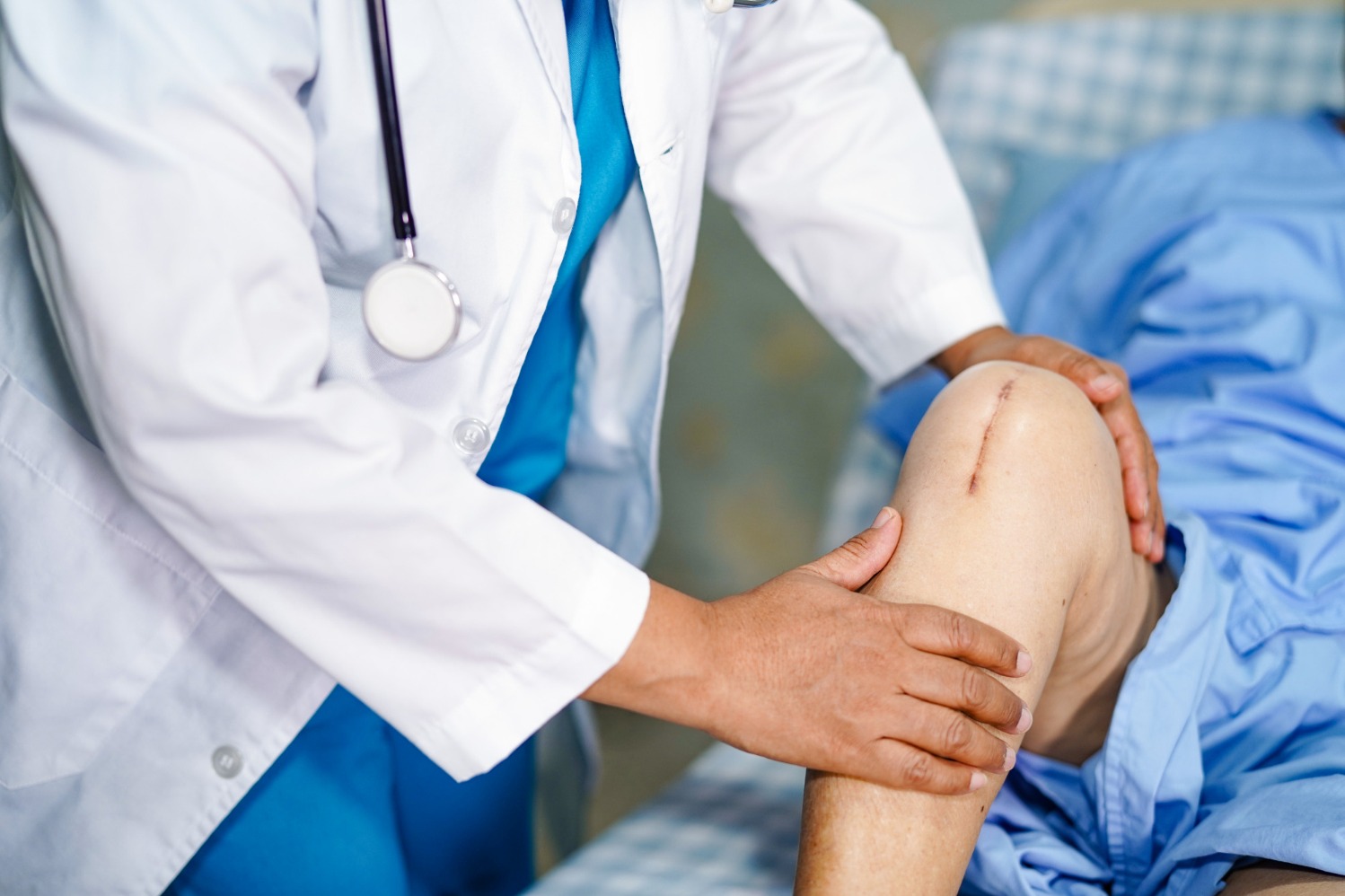
During surgery, damaged surfaces of the knee joint are removed and replaced with artificial components designed to restore joint function.
The exact implant and surgical approach depend on the patient's anatomy, bone quality, deformity, activity requirements, and surgeon assessment.
The goal is to reduce arthritis-related pain and improve functional movement.
Preparing For Surgery
Preparation can influence recovery. Before surgery, patients may undergo medical evaluation and investigations to ensure that health conditions are appropriately managed.
Preparation can include:
- Reviewing current medicines
- Managing existing health conditions
- Improving muscle strength where possible
- Addressing dental or other active infections when medically indicated
- Planning postoperative support
- Understanding rehabilitation requirements
Patients should also discuss expectations about walking, work, driving, travel, and physical activity after surgery.
Recovery After Knee Replacement
Recovery is progressive rather than immediate.
Early rehabilitation focuses on pain control, safe movement, walking, and restoring knee mobility. Physiotherapy then progresses towards strengthening and functional independence.
Many patients gradually resume everyday activities over the following weeks, but complete recovery can take several months.
The pace differs according to age, muscle strength, general health, surgical factors, and rehabilitation participation.
Benefits And Potential Risks
The potential benefits include reduced arthritis-related pain, improved walking ability, and better performance of daily activities.
However, knee replacement is major surgery and has potential risks. These include infection, blood clots, stiffness, bleeding, implant-related complications, persistent pain, nerve or blood-vessel injury, and anaesthesia-related complications.
The long-term outcome also depends on maintaining appropriate activity, strength, body weight, and follow-up care.
Frequently Asked Questions
Is knee replacement suitable for every arthritis patient?
No. Treatment should be based on symptoms, functional limitations, examination findings, imaging, and response to other treatments.
How long does recovery take?
Patients often regain useful function progressively over weeks, while further strength and confidence can continue improving for several months.
Is physiotherapy necessary?
Yes. Rehabilitation is important for restoring movement, strength, walking ability, and confidence.
Can patients climb stairs after knee replacement?
Many patients can return to stairs as strength and movement improve, although the timing varies.
For patients considering Total Knee Replacement in Malad, the decision should be made after discussing both the potential benefits and the responsibilities involved in postoperative recovery.
Keywords