Hip arthritis can make walking, standing, putting on footwear, getting into a car, and sleeping increasingly difficult. When the hip joint becomes severely damaged and non-surgical measures no longer provide sufficient relief, Total Hip Replacement may be considered.
For patients in Borivali, Mumbai, understanding the procedure and recovery milestones can help them prepare realistically for treatment.
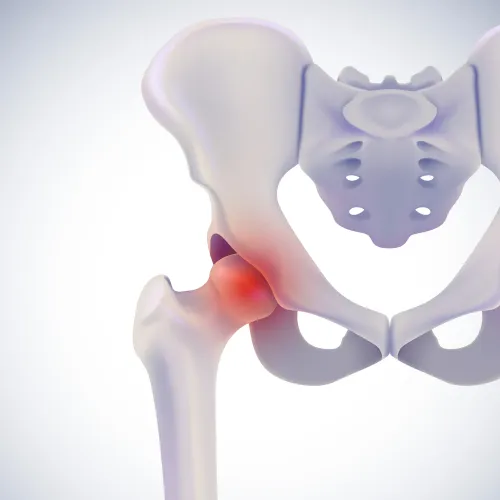
Recognising Advanced Hip Joint Damage
Hip arthritis can develop gradually. Pain may initially appear during walking or prolonged activity and later become more persistent.
Symptoms that may indicate significant hip disease include:
- Groin or hip pain
- Reduced walking distance
- Difficulty climbing stairs
- Stiffness
- Difficulty wearing footwear
- Trouble getting in and out of chairs
- Pain affecting sleep
An examination and imaging help determine the condition of the hip joint.
How Total Hip Replacement Works
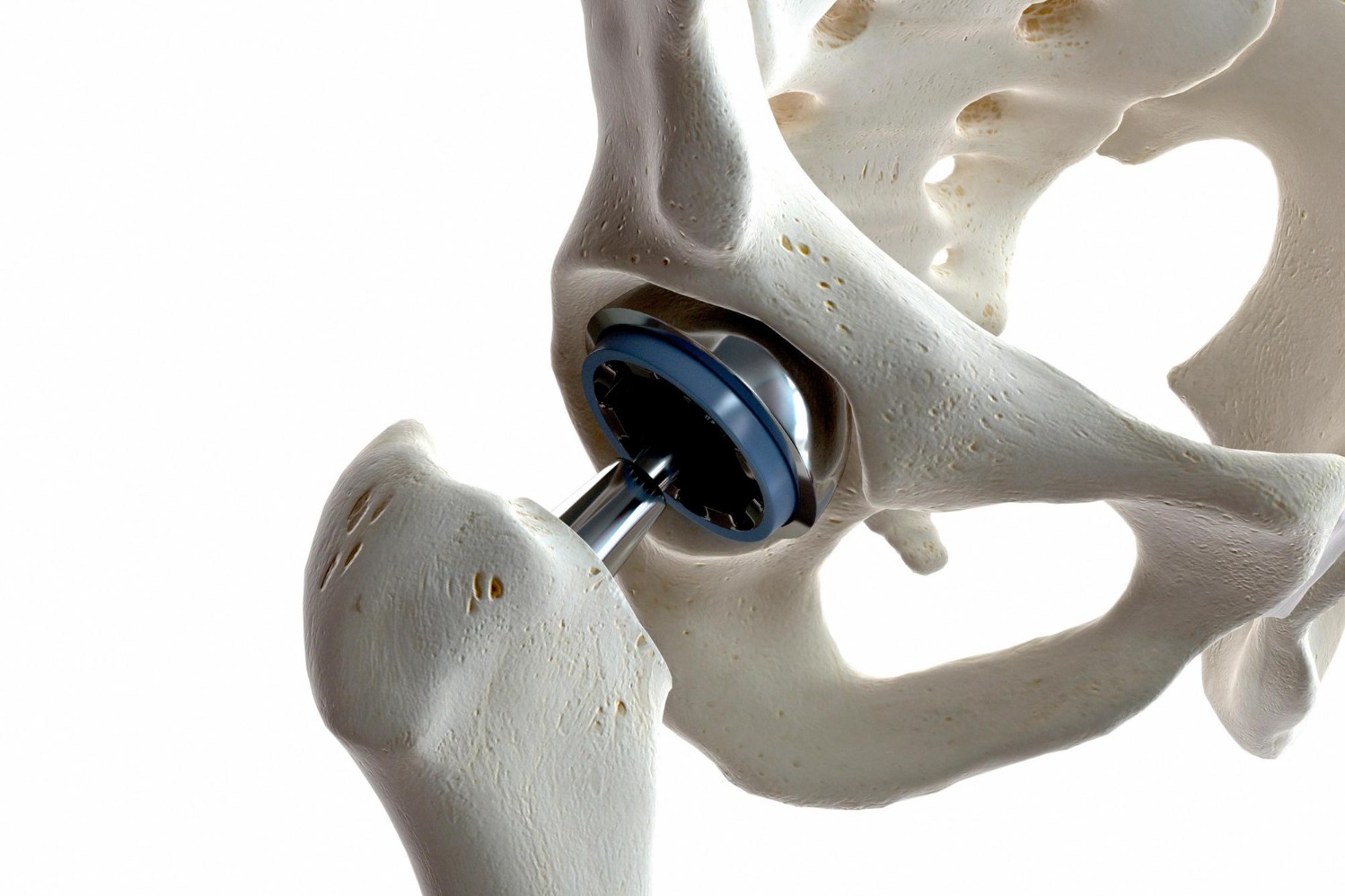
During hip replacement surgery, the damaged portions of the hip joint are replaced with artificial components.
The procedure generally involves replacing the damaged femoral head and preparing the socket to receive an artificial component.
The implant design and surgical approach depend on individual anatomy, age, bone quality, activity level, and other factors.
The objective is to reduce pain and restore useful hip movement.
Preparing For Surgery
Preoperative preparation may include medical evaluation, blood tests, imaging, medication review, and assessment of other health conditions.
Patients can also prepare their home environment by arranging:
- Safe walking space
- Assistance during the early recovery period
- Appropriate seating
- Easy access to essential items
- Transport for follow-up appointments
Building general strength before surgery may also be helpful when medically appropriate.
Recovery After Hip Replacement
Many patients begin mobilisation relatively early under professional supervision.
The initial focus is on safe transfers, walking, pain management, and preventing complications. Physiotherapy then progresses towards improving strength, balance, and functional independence.
Recovery milestones can include:
- Safe movement in bed
- Standing and walking
- Increasing walking distance
- Stair practice when appropriate
- Strengthening exercises
- Gradual return to normal activities
The exact pace depends on the patient and surgical protocol.
Benefits And Potential Risks
Successful hip replacement can provide substantial pain relief and improve walking and daily function.
Potential risks include infection, blood clots, dislocation, fracture, nerve injury, leg-length differences, implant wear, loosening, and persistent symptoms.
Patients should follow postoperative precautions and attend scheduled reviews.
Questions About Hip Replacement
How long does hip replacement recovery take?
Functional improvement often occurs progressively over several weeks, while strength and confidence may continue improving for months.
Can patients walk after surgery?
Many patients begin walking with assistance early in recovery, depending on their medical condition and surgical plan.
Can normal activities resume after hip replacement?
Many everyday activities can be resumed progressively. High-impact activities may require specific guidance.
Is physiotherapy necessary?
Rehabilitation helps restore movement, strength, balance, and safe walking.
For individuals considering Total Hip Replacement in Borivali, the right time for surgery depends on symptoms and functional limitations rather than an X-ray alone.
Keywords