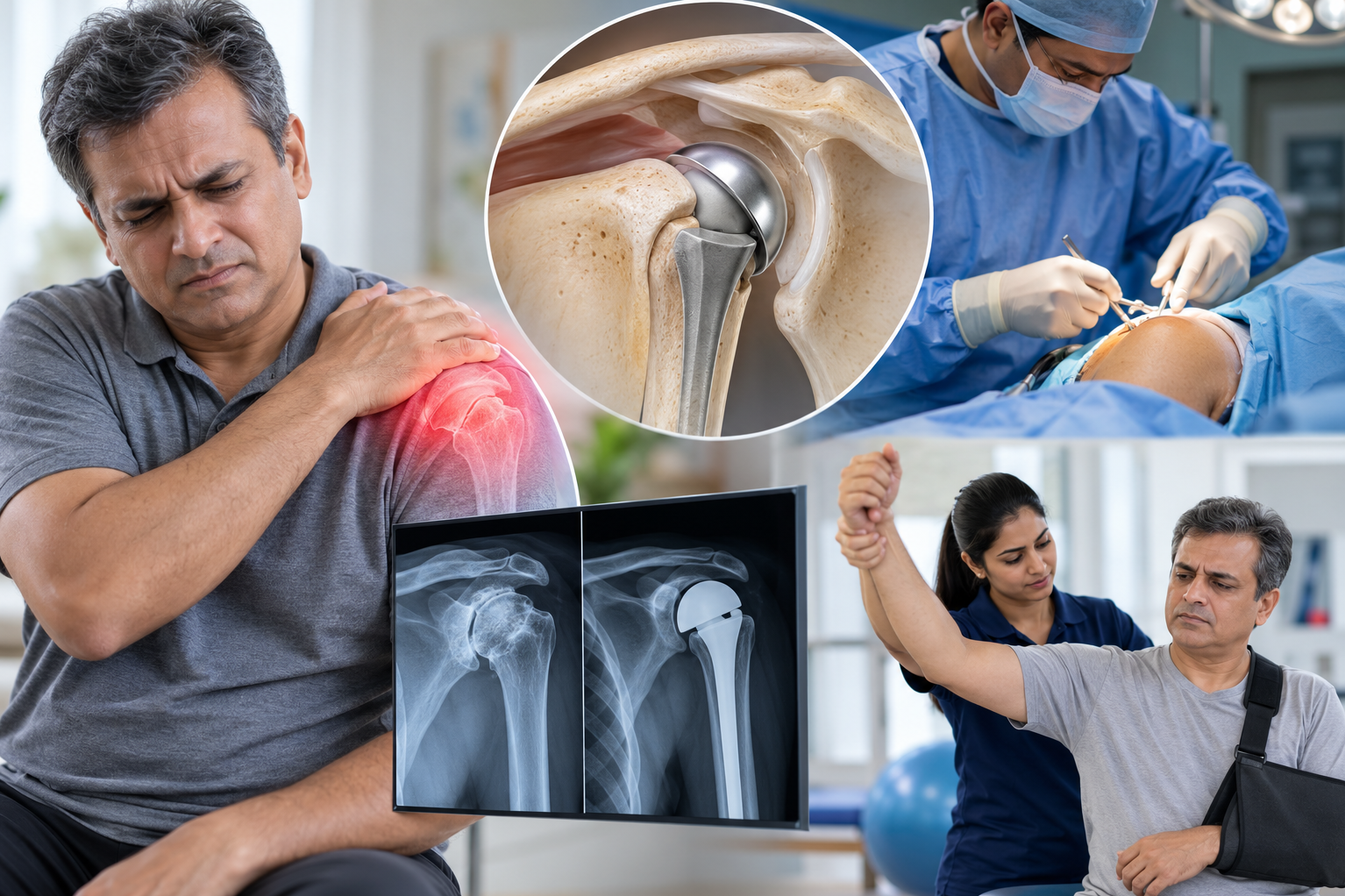
Severe shoulder joint damage can affect reaching, lifting, dressing, sleeping, and other basic movements. In selected situations, Shoulder Hemiarthroplasty may be considered to replace the damaged ball portion of the shoulder joint while preserving the natural socket.
For patients in Kandivali, Mumbai, understanding where this procedure fits within shoulder treatment can help them discuss appropriate options with an orthopaedic specialist.
Understanding The Shoulder Joint
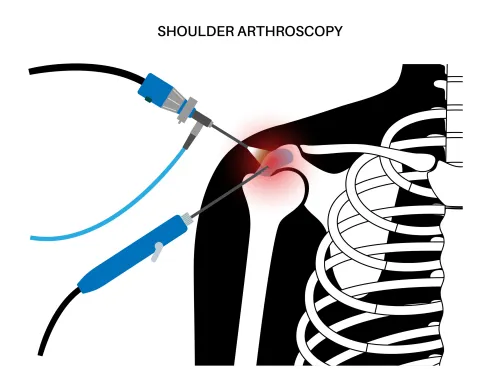
The shoulder is a ball-and-socket joint. The rounded upper end of the upper-arm bone forms the ball, while the shoulder blade contains the socket.
Damage to the joint can result from trauma, certain fractures, arthritis, or other conditions.
Treatment depends on which structures are damaged and how well the surrounding tendons function.
When Hemiarthroplasty May Be Considered
Shoulder hemiarthroplasty can be considered in selected situations where replacing the humeral head may provide useful pain relief and function.
Potential situations include certain complex fractures and selected forms of shoulder joint damage.
It is not automatically appropriate for every patient with shoulder arthritis. If the socket is significantly damaged or the rotator cuff is severely compromised, another replacement strategy may be considered.
A detailed examination and imaging are therefore important before choosing the procedure.
What The Procedure Involves
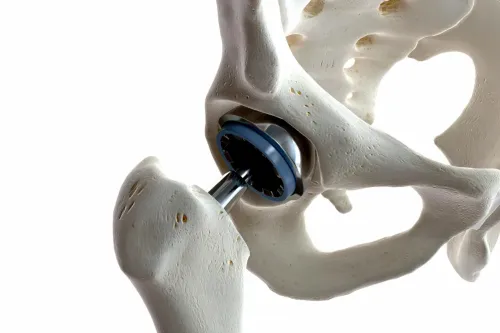
During surgery, the damaged ball portion of the shoulder joint is removed and replaced with an artificial component.
The natural socket is retained.
The surgeon must consider the condition of the bone, rotator cuff, socket, surrounding muscles, and other structures when selecting the most suitable replacement strategy.
Preparing For Treatment
Before surgery, patients may undergo imaging and medical assessment. Existing health conditions and medicines need to be reviewed.
Preparation can include:
- Medical clearance
- Medication instructions
- Preoperative investigations
- Planning postoperative assistance
- Understanding sling requirements
- Arranging rehabilitation
Patients should understand that shoulder recovery can take time even when the operation itself is successful.
Recovery And Rehabilitation
After surgery, the shoulder may need protection while tissues heal. A sling may be prescribed for a period determined by the surgical plan.
Rehabilitation generally progresses through controlled movement followed by gradual strengthening.
Recovery may involve:
- Pain and swelling management
- Protection of the surgical area
- Gentle movement
- Progressive range-of-motion exercises
- Strengthening
- Functional shoulder training
Heavy lifting and demanding overhead activity should be avoided until adequate healing and strength have been achieved.
Benefits And Possible Risks
Potential benefits include pain reduction and improved shoulder function in appropriately selected patients.
Possible complications include infection, stiffness, dislocation, fracture, nerve injury, implant-related problems, persistent pain, and reduced movement.
The outcome depends on the original condition, bone quality, rotator cuff function, rehabilitation, and other individual factors.
Frequently Asked Questions
Is hemiarthroplasty the same as total shoulder replacement?
No. Hemiarthroplasty generally replaces the ball portion while retaining the natural socket.
How long does recovery take?
Recovery is progressive and may take several months depending on the condition and rehabilitation programme.
Can the shoulder become strong again?
Strength can improve with appropriate rehabilitation, although the final outcome depends on the underlying damage and surrounding tissues.
When can lifting resume?
Heavy lifting should only resume after sufficient healing and rehabilitation under medical guidance.
For patients considering Shoulder Hemiarthroplasty in Kandivali, choosing the appropriate replacement procedure requires careful assessment of the entire shoulder rather than the damaged bone alone.
Keywords