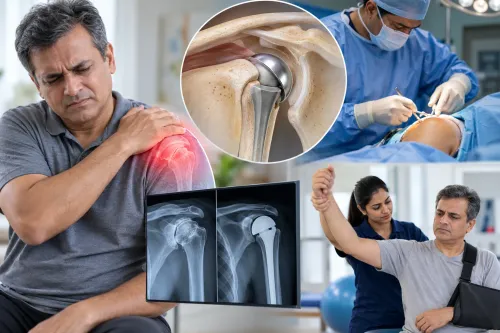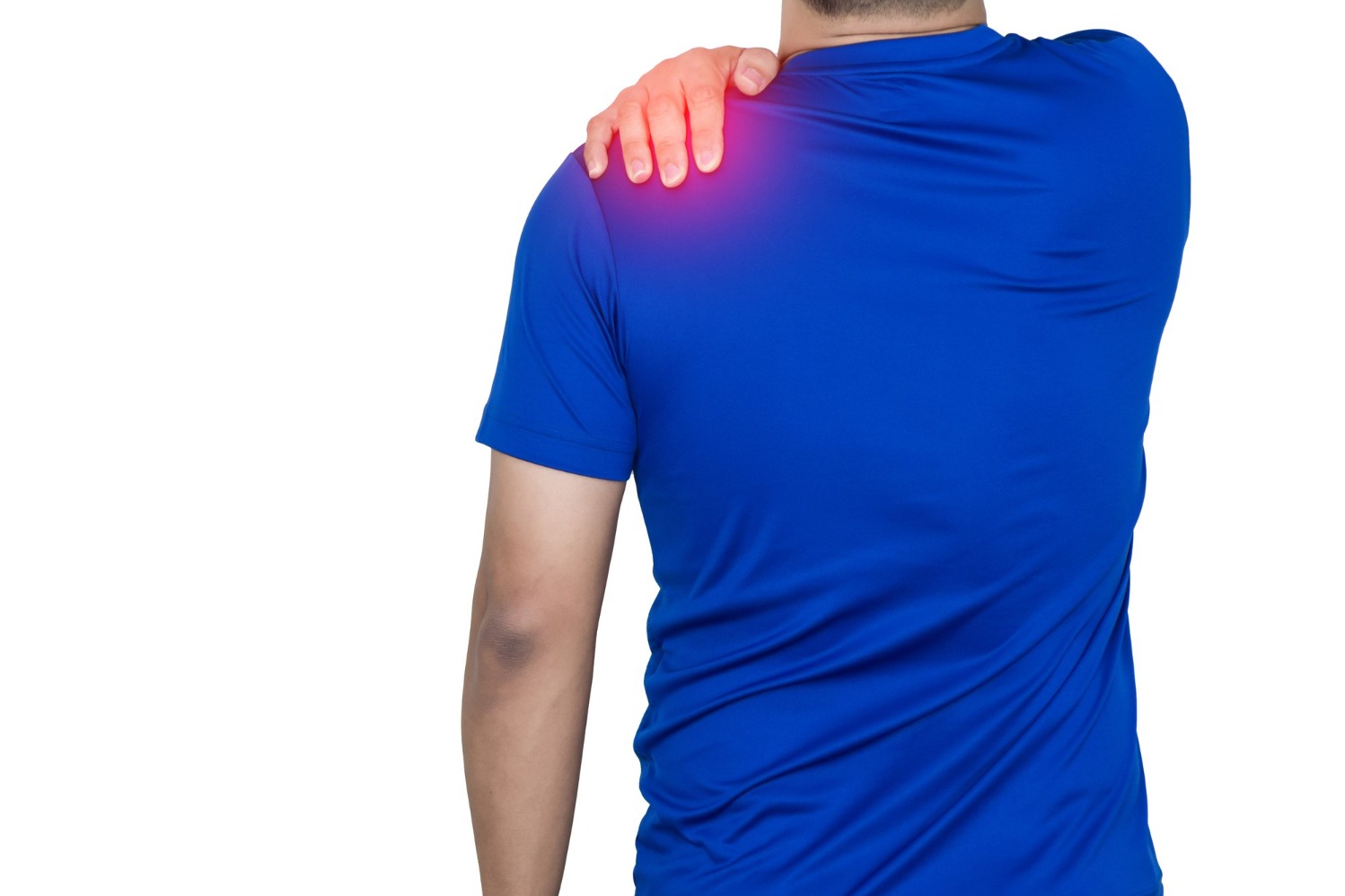
Shoulder pain can make everyday movements such as reaching overhead, dressing, lifting objects, or sleeping on one side difficult. A rotator cuff injury may be responsible, particularly when pain is accompanied by weakness. In selected cases, Rotator Cuff Repair Surgery may be considered when symptoms and structural damage are significant.
For patients in Borivali, Mumbai, understanding the treatment pathway can help them recognise when persistent shoulder problems need specialist assessment.
Understanding The Rotator Cuff
The rotator cuff consists of muscles and tendons that help stabilise and move the shoulder. Tears can occur because of sudden injury, repetitive overhead activity, or gradual tendon degeneration.
Symptoms may include:
- Shoulder pain
- Weakness while lifting
- Difficulty reaching overhead
- Night pain
- Reduced shoulder function
- Pain during specific movements
The severity of symptoms does not always correspond exactly to the size of a tear, which is why clinical assessment is important.
How A Rotator Cuff Tear Is Diagnosed
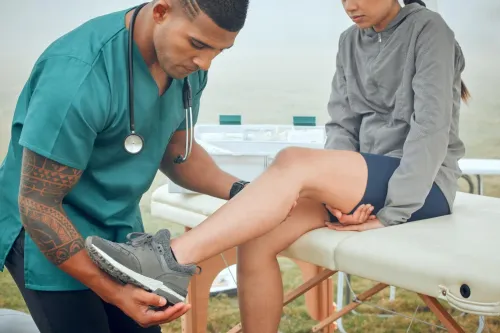
Assessment usually starts with a physical examination. The doctor checks shoulder movement, strength, tenderness, and signs of instability.
X-rays can help assess bone changes and arthritis, while ultrasound or MRI may provide information about tendon integrity.
The patient's age, activity requirements, tear characteristics, symptoms, and response to non-surgical treatment all influence the treatment decision.
When Non Surgical Treatment May Help
Not every rotator cuff tear requires surgery. Depending on the condition, initial treatment may include:
- Activity modification
- Medication where appropriate
- Physiotherapy
- Shoulder mobility exercises
- Progressive strengthening
- Management of contributing conditions
Rehabilitation aims to improve shoulder movement and strengthen the muscles that support joint function.
Understanding Rotator Cuff Repair Surgery
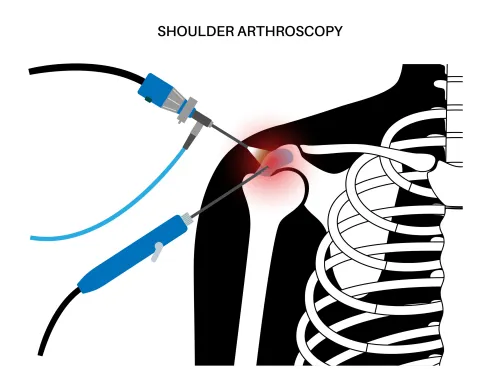
When surgery is appropriate, the damaged tendon is repaired and reattached to the bone. Arthroscopic techniques are commonly used, although the exact surgical method depends on the tear and other findings.
If additional shoulder problems are present, they may be addressed during the same procedure when clinically appropriate.
The goal is to restore tendon attachment and improve shoulder function rather than simply eliminate pain.
Recovery And Rehabilitation
Recovery after tendon repair is considerably longer than recovery from a simple injection or minor procedure.
The repaired tendon initially requires protection. A sling may be used, and shoulder movement is introduced according to the surgical protocol.
Rehabilitation typically progresses through:
- Protection of the repair
- Gradual restoration of movement
- Muscle activation
- Progressive strengthening
- Functional shoulder training
- Return to normal activities
Heavy lifting and overhead sports should not be resumed prematurely.
Benefits And Potential Risks
Appropriate repair may improve shoulder strength and function, particularly when a symptomatic tear is suitable for surgery.
Possible complications include infection, stiffness, persistent pain, weakness, nerve injury, anaesthesia-related complications, and recurrent tearing.
Smoking and poor rehabilitation adherence can also negatively influence recovery.
Common Questions
Can a rotator cuff tear heal without surgery?
Some tears and symptoms can be managed successfully without an operation. The appropriate approach depends on the tear and functional requirements.
How long does recovery take after repair?
Recovery commonly requires several months, with strengthening introduced progressively.
When can I resume lifting?
Heavy lifting should wait until adequate healing and strength have been achieved.
Is physiotherapy necessary?
Yes. Rehabilitation is an important part of restoring shoulder movement and strength.
For people seeking Rotator Cuff Repair Surgery in Borivali, an individual assessment is essential because surgery is only one option within a broader treatment pathway.
Keywords