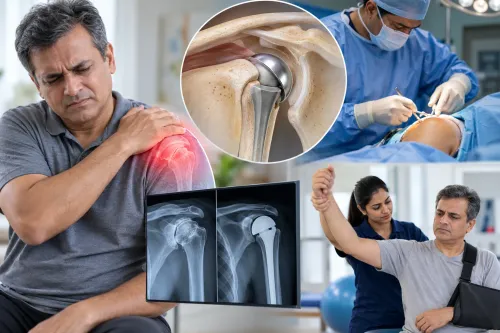
Hip pain can initially seem like a minor inconvenience, especially when it appears only after long walks or strenuous activity. Over time, however, Hip Arthritis can cause increasing stiffness, reduced walking ability, difficulty with footwear, and discomfort during ordinary daily movements.
For people in Malad, Mumbai, recognising persistent symptoms early can help identify whether the problem is arthritis and what treatment options may be appropriate.
Common Symptoms Of Hip Arthritis
Hip arthritis occurs when the joint surfaces become damaged and movement becomes increasingly painful or restricted.
Common symptoms include:
- Pain around the groin or hip
- Stiffness after inactivity
- Difficulty walking long distances
- Reduced hip movement
- Pain while climbing stairs
- Difficulty wearing socks or footwear
- Discomfort getting into a car
- Pain that increasingly affects sleep
Hip pain can also originate from the lower back or surrounding muscles, so a proper diagnosis is important.
How The Condition Is Evaluated
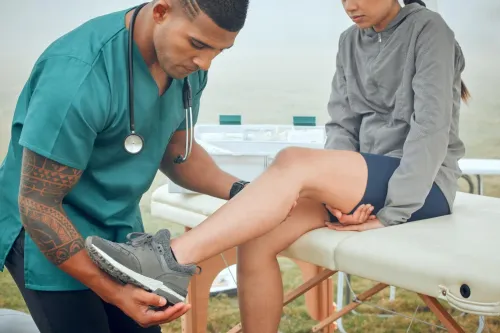
An orthopaedic assessment usually includes a review of symptoms and physical examination.
X-rays are commonly useful for assessing the hip joint and identifying changes associated with arthritis. Additional investigations may be recommended when the diagnosis is uncertain or another condition needs to be excluded.
Treatment decisions should be based on symptoms and function as well as imaging findings.
Early Treatment Options
Treatment for hip arthritis does not automatically begin with surgery.
Depending on severity, management may include:
- Activity modification
- Physiotherapy
- Strengthening exercises
- Weight management where appropriate
- Pain-relief medication
- Selected injection-based treatments
- Use of walking support when necessary
Exercise does not necessarily damage an arthritic joint. Appropriate low-impact activity can help maintain strength and mobility.
However, painful high-impact activities may need modification.
When Hip Replacement May Be Discussed
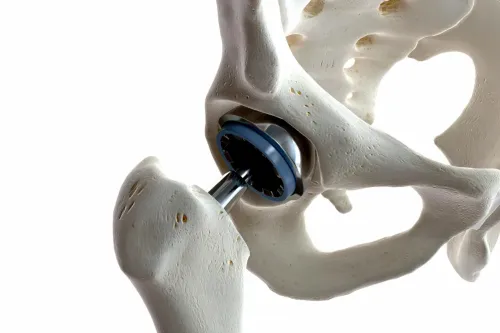
If arthritis becomes advanced and continues to cause significant pain despite appropriate non-surgical treatment, joint replacement may become an option.
Factors that may lead to this discussion include:
- Persistent pain affecting daily life
- Significant restriction of movement
- Reduced walking ability
- Sleep disturbance
- Failure of reasonable conservative treatment
- Severe joint damage on imaging
The decision should be individualised rather than based only on age.
Preparing For Possible Surgery
Patients who may require joint replacement can benefit from preparing in advance.
This may involve improving general fitness, strengthening surrounding muscles where possible, reviewing medications, addressing other health conditions, and planning home support.
Patients should also understand that rehabilitation is an important part of recovery.
Recovery And Long-Term Joint Care
For patients undergoing hip replacement, recovery usually progresses through walking practice, movement exercises, strengthening, and gradual return to normal activities.
For those managing arthritis without surgery, maintaining appropriate movement and muscle strength can help preserve function.
Treatment should be reviewed when symptoms change significantly rather than continuing the same strategy indefinitely.
Frequently Asked Questions
Can hip arthritis be cured without surgery?
Arthritis-related joint damage cannot generally be reversed through exercise or medication, but symptoms and function can often be managed without immediate surgery.
Does walking worsen hip arthritis?
Appropriate low-impact activity is often useful, although activity should be adjusted when pain is excessive.
When should someone see an orthopaedic surgeon?
Persistent pain, worsening stiffness, reduced walking ability, or symptoms affecting sleep and daily activities are reasonable reasons to seek an assessment.
Does every patient with hip arthritis need replacement surgery?
No. Joint replacement is considered when symptoms and functional limitations become significant despite appropriate non-surgical management.
For people experiencing persistent Hip Arthritis symptoms in Malad, early assessment can help identify the cause of pain and establish a treatment pathway that matches the severity of the condition and the patient's daily goals.
Dr. Gaurav Gupta provides orthopaedic evaluation and treatment for joint conditions, sports injuries, fractures, arthroscopy, and joint replacement needs, with his practice based in Kandivali, Mumbai.
Keywords