Sports injuries do not all require the same treatment. A muscle strain, ligament tear, tendon injury, fracture, or cartilage problem can have very different recovery requirements. Choosing appropriate Sports Injury Treatment therefore starts with identifying the injured structure and understanding the demands of the activity the patient wants to return to.
For athletes and active individuals in Borivali, Mumbai, early assessment can help prevent an injury from becoming a longer-term limitation.
Why The Diagnosis Matters
Pain alone cannot always identify the severity of a sports injury. Some significant injuries may initially produce manageable symptoms, while relatively minor injuries can be extremely painful.
An assessment may consider:
- How the injury occurred
- Where pain is located
- Swelling
- Bruising
- Joint stability
- Range of movement
- Muscle strength
- Ability to bear weight
Imaging such as X-rays, ultrasound, or MRI may be recommended depending on the suspected injury.
Different Injuries Need Different Strategies
A mild muscle strain may respond to activity modification and progressive rehabilitation. A complete ligament tear may require a much longer recovery and, in selected patients, surgery.
Fractures require protection and bone healing, while tendon injuries may need controlled loading to restore tissue capacity.
This is why returning to sport based simply on pain reduction can be misleading.
The Role Of Physiotherapy
Physiotherapy is often an important part of sports injury recovery. The programme may focus on restoring movement, strength, balance, coordination, and sport-specific function.
A progressive rehabilitation plan can include:
- Pain and swelling control
- Restoration of movement
- Strength development
- Balance and coordination
- Functional loading
- Running or agility work
- Sport-specific drills
The progression should be based on the injury and recovery milestones.
When Surgery May Be Required
Some injuries can be successfully managed without surgery, while others may benefit from an operation.
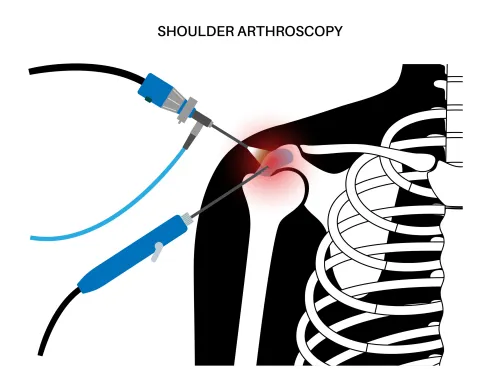
Surgical treatment may be considered for selected ACL tears, significant meniscus injuries, certain fractures, major tendon tears, or unstable joint injuries.
The decision should consider the patient's age, activity level, injury severity, associated damage, and expectations.
Preparing For A Safe Return To Sport
Before returning to competitive or high-intensity activity, patients may need to demonstrate adequate strength, movement control, endurance, and sport-specific ability.
A staged return can be safer than moving directly from rest to full competition.
Patients should also address factors that may have contributed to injury, including inadequate conditioning, poor technique, training-load changes, insufficient recovery, or previous unresolved injuries.
Recovery And Injury Prevention
Recovery time varies widely. A minor strain may improve within weeks, whereas ligament reconstruction or complex fracture treatment may require several months.
Returning too early can increase reinjury risk. Continuing rehabilitation even after everyday activities become comfortable may be important for athletes.
Common Questions
Should I stop exercising after a sports injury?
The appropriate activity depends on the injury. Complete inactivity is not always necessary, but painful or risky movements may need to be restricted.
When is imaging needed?
Imaging is recommended when the examination or injury mechanism suggests a structural injury that needs clarification.
Can sports injuries heal without surgery?
Many can. Others may require surgery depending on the damaged structure and functional demands.
When can I return to sport?
Return should follow objective recovery milestones rather than pain alone.
For people seeking Sports Injury Treatment in Borivali, the goal should not simply be to reduce pain. Effective treatment aims to restore strength, movement, stability, and confidence so that activity can resume safely.
Keywords