Joint pain is one of the most common reasons people seek orthopedic care. It may begin as occasional discomfort after a busy day or physical activity, but when pain becomes persistent, it can interfere with walking, climbing stairs, exercising, or even getting out of bed comfortably.
For many residents of Kandivali, joint pain is often dismissed as a normal part of ageing. While age-related wear is one possible cause, ongoing pain may indicate an underlying orthopedic condition that benefits from early diagnosis and appropriate treatment.
What Causes Joint Pain?
Joint pain can develop for many different reasons. Identifying the underlying cause is essential because treatment varies depending on the diagnosis.
Common causes include:
- Osteoarthritis
- Rheumatoid arthritis
- Sports injuries
- Ligament injuries
- Tendon disorders
- Cartilage damage
- Joint infections
- Gout
- Previous fractures
- Overuse injuries
Accurate diagnosis helps avoid unnecessary treatments and improves recovery outcomes.
Symptoms That Should Not Be Ignored
Joint pain is not always limited to discomfort.
Other warning signs include:
- Swelling around the joint
- Morning stiffness
- Clicking or grinding sensations
- Difficulty bending or straightening the joint
- Reduced range of motion
- Warmth or redness
- Weakness during movement
- Pain that worsens with activity
Persistent symptoms lasting more than a few weeks deserve professional evaluation.
Which Joints Are Most Frequently Affected?
Although any joint may become painful, certain areas experience greater stress during everyday activities.
Commonly affected joints include:
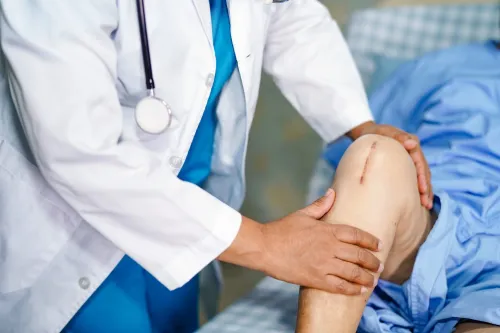
- Knees
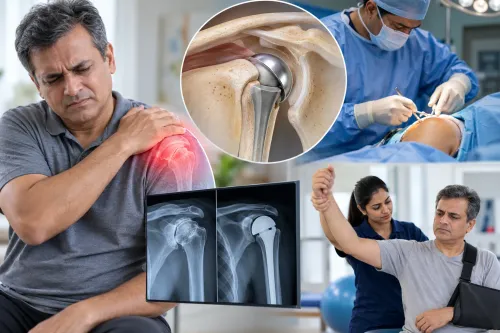
- Shoulders
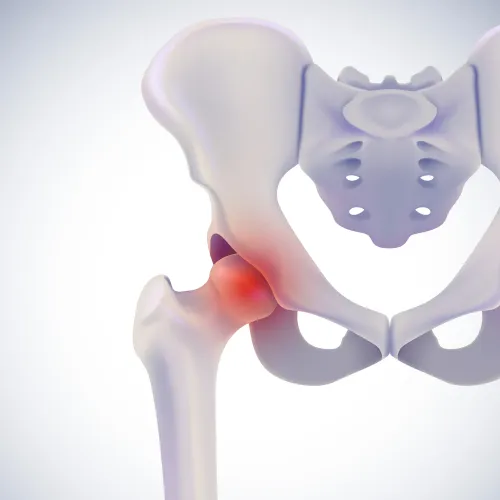
- Hips
- Ankles
- Wrists
- Elbows
The location often provides valuable clues about the underlying condition.
Why Self-Diagnosis Can Delay Recovery
Many people rely on pain-relieving sprays, home remedies, or prolonged rest without understanding the actual cause of their symptoms.
Unfortunately, treating pain alone may allow the underlying problem to worsen.
Early orthopedic assessment helps distinguish between conditions that require:
- Physiotherapy
- Medication
- Injection therapy
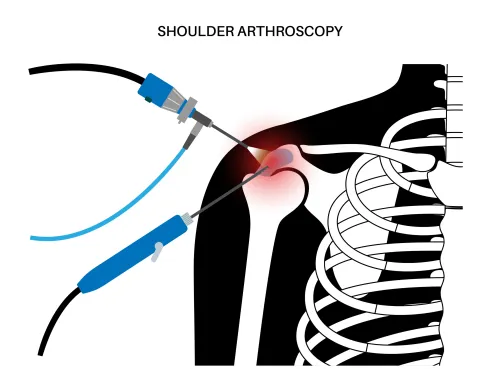
- Arthroscopic procedures
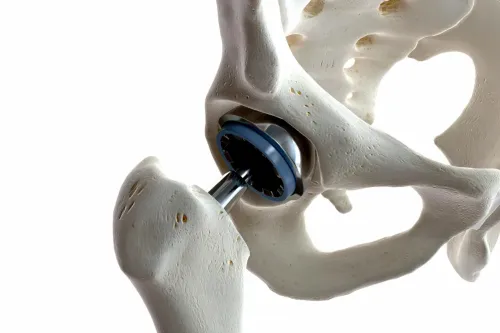
- Joint replacement surgery
- Lifestyle modification
Receiving the correct diagnosis early often leads to better long-term results.
How Joint Pain Is Diagnosed
An orthopedic specialist typically evaluates:
- Medical history
- Activity level
- Previous injuries
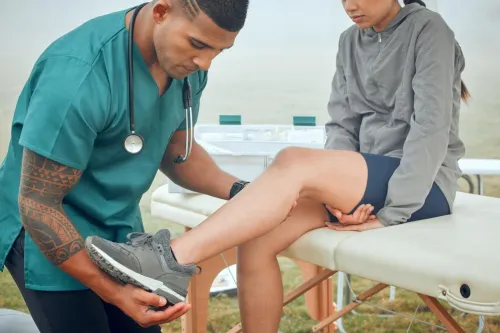
- Physical examination
- Joint movement
- Muscle strength
Additional investigations may include:
- X-rays
- MRI scans
- Blood tests for inflammatory conditions
- Ultrasound where appropriate
These investigations help create an individualized treatment plan.
Treatment Options for Joint Pain
The most effective treatment depends on the specific diagnosis rather than simply treating symptoms.
Management may include:
Lifestyle Modification
Maintaining a healthy weight and avoiding activities that overload painful joints can significantly reduce discomfort.
Physiotherapy
Targeted exercises improve flexibility, strengthen surrounding muscles, and restore joint function.
Medication
Anti-inflammatory medications may help manage pain during active inflammation.
Injection-Based Treatments
Certain patients may benefit from advanced injection therapies that improve comfort and support joint function.
Surgical Treatment
When conservative measures fail, procedures such as arthroscopy or joint replacement may be recommended depending on the severity of joint damage.
Everyday Habits That Support Joint Health
Healthy joints benefit from consistent care.
Simple measures include:
- Regular low-impact exercise
- Stretching before physical activity
- Maintaining good posture
- Eating a balanced diet
- Wearing supportive footwear
- Avoiding prolonged inactivity
These habits help maintain mobility while reducing stress on weight-bearing joints.
When Should You Consult an Orthopedic Specialist?
You should seek medical advice if:
- Joint pain lasts more than two weeks
- Swelling keeps returning
- Walking becomes difficult
- Pain interrupts sleep
- Joint movement becomes restricted
- Daily activities become increasingly challenging
Prompt treatment often prevents further joint damage and improves quality of life.
Individuals seeking reliable Joint Pain Treatment in Kandivali can benefit from a comprehensive orthopedic assessment to identify the exact cause of discomfort rather than treating symptoms alone. Dr. Gaurav Gupta provides patient-focused care that combines accurate diagnosis with evidence-based treatment options, helping patients regain mobility, reduce pain, and return to their daily routines with greater confidence.
Keywords