Falls, road accidents, workplace incidents, and sports injuries can cause more than temporary pain. Fractures may be displaced, joints can become unstable, and surrounding soft tissues may also be injured. In complex situations, assessment by an Orthopedic Trauma Surgeon can help determine how the injured bone or joint should be stabilized and restored.
For patients in Kandivali, Maharashtra, recognizing the signs of significant musculoskeletal trauma can prevent unnecessary delays in specialist evaluation.
What Orthopedic Trauma Care Covers
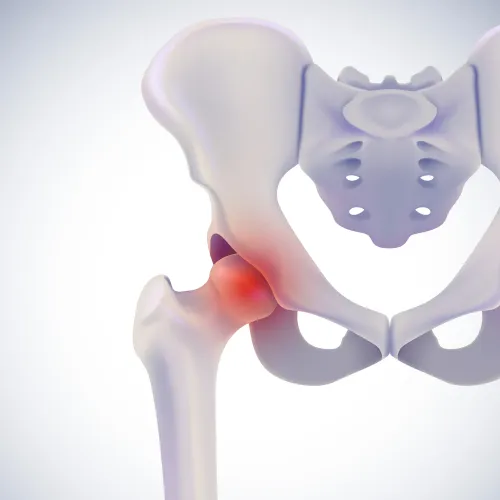
Orthopedic trauma involves injuries affecting bones, joints, ligaments, and related musculoskeletal structures.
Some fractures are relatively straightforward and can heal with immobilization. Others are complex because the bone has moved out of alignment, the fracture extends into a joint, multiple fragments are present, or several areas have been injured simultaneously.
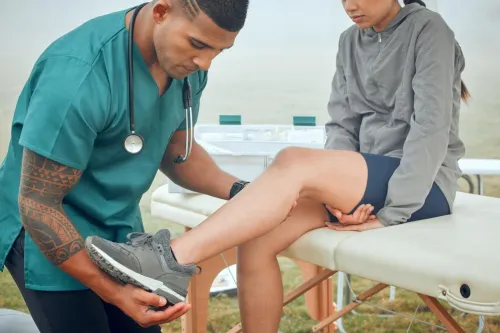
An Orthopedic Trauma Surgeon assesses both the visible injury and its effect on overall limb function.
Injuries That Need Prompt Evaluation
Certain symptoms following an accident should not be ignored.
These can include:
- Severe pain after significant trauma
- Visible deformity
- Inability to bear weight
- Marked swelling
- Loss of normal limb movement
- Suspected dislocation
- Open wounds near a fracture
- Numbness following an injury
- Fingers or toes becoming unusually pale or cold
Emergency medical assessment is particularly important when circulation, nerve function, open wounds, or major deformity may be involved.
Why Fracture Alignment Is Important
A fracture needs more than bone healing. The bone should ideally heal in a position that supports useful function.
Poor alignment can affect joint movement, limb mechanics, weight distribution, and everyday activities. Fractures extending into a joint require particular attention because restoration of the joint surface can influence long-term function.
X-rays are commonly used to assess fractures. CT scans may provide additional detail for certain complex injuries, particularly around joints.
Surgical Management Is Not Always Required
Seeing a trauma specialist does not automatically mean an operation will be recommended.
Stable fractures with acceptable alignment can sometimes be treated with a cast, brace, splint, or other forms of immobilization. Follow-up imaging may then be used to ensure the fracture remains appropriately positioned while healing.
Surgery may be considered when a fracture is unstable, significantly displaced, involves a joint, cannot be maintained in a satisfactory position, or is associated with specific complications.
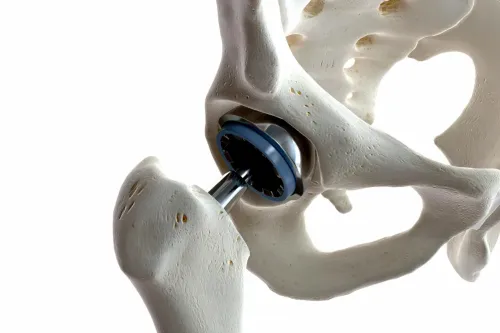
Fixation methods vary according to the fracture and can include plates, screws, nails, wires, or other orthopedic devices.
Recovery Continues After Bone Stabilization
Successful trauma care includes more than fixing a fracture.
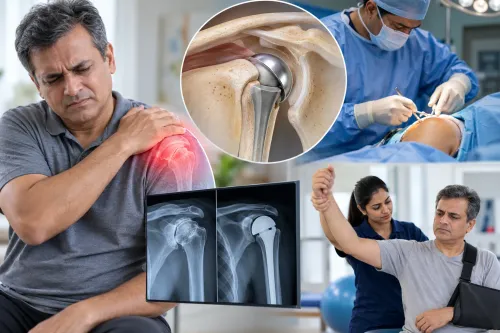
Muscles can weaken during immobilization, joints can become stiff, and normal movement patterns may change. Rehabilitation is therefore often required after the initial healing phase.
Recovery plans may address joint movement, progressive weight bearing, muscle strength, balance, walking, and return to work.
Dr. Gaurav Gupta manages orthopedic injuries with attention to fracture pattern, joint involvement, soft-tissue condition, and the patient's functional requirements.
For people in Kandivali who experience a significant accident, timely assessment by an Orthopedic Trauma Surgeon can clarify whether an injury needs immobilization, reduction, surgical fixation, or structured follow-up. Appropriate early management provides the foundation for bone healing and eventual restoration of movement.
Keywords