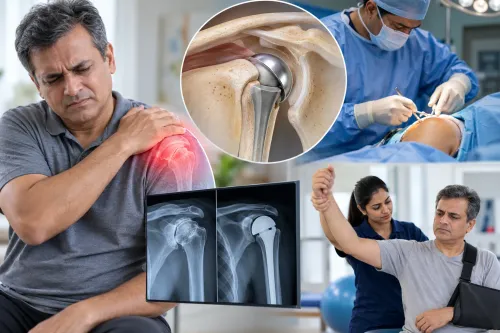
Shoulder pain is sometimes caused by overuse or temporary inflammation, but persistent symptoms can also develop from structural problems involving tendons, cartilage, ligaments, or other tissues within the joint. When symptoms continue despite appropriate conservative care, Shoulder Arthroscopy may be considered for selected conditions.
For patients in Borivali, Maharashtra, knowing what arthroscopy can address helps set realistic expectations about this minimally invasive surgical technique.
Understanding Shoulder Arthroscopy
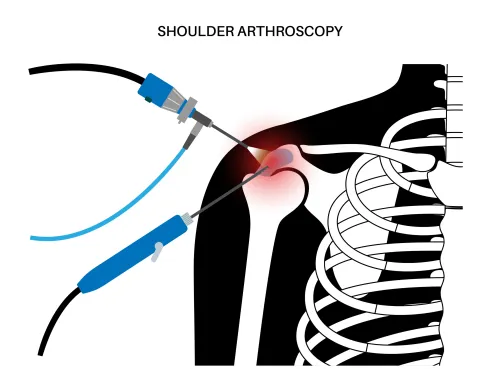
Shoulder arthroscopy allows an orthopedic surgeon to examine the inside of the shoulder using a small camera inserted through a small incision.
Additional instruments can be introduced through other small incisions when treatment is required. This approach enables the surgeon to visualize important structures without making the larger incision associated with conventional open procedures.
The technique itself, however, does not determine whether surgery is necessary. The underlying diagnosis remains the most important consideration.
Problems That May Be Managed Arthroscopically
Depending on the individual condition, Shoulder Arthroscopy may be used in the management of:
- Certain rotator cuff tears
- Labral injuries
- Recurrent shoulder instability
- Selected impingement-related conditions
- Loose bodies within the joint
- Some cartilage problems
- Certain biceps tendon conditions
Different shoulder disorders can produce surprisingly similar symptoms, so examination and imaging are often required before deciding on treatment.
Why Shoulder Pain Can Be Difficult to Interpret
The shoulder has a wide range of movement and depends on coordinated function between bones, muscles, tendons, ligaments, and the shoulder blade.
Pain while raising the arm does not automatically mean there is a rotator cuff tear. Likewise, clicking does not necessarily indicate that surgery is needed.
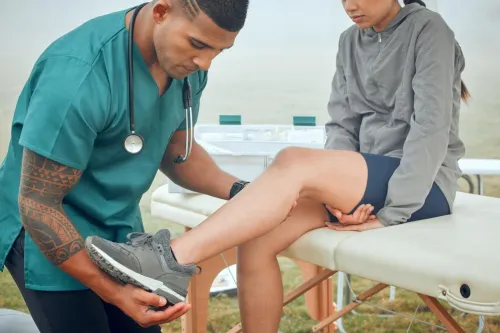
A careful assessment considers where the pain occurs, which movements provoke it, whether weakness is present, whether the shoulder has previously dislocated, and how long symptoms have continued.
Pain originating from the neck can sometimes also be felt around the shoulder region.
Non-Surgical Management May Be Appropriate
Many shoulder conditions are initially treated conservatively.
Depending on the diagnosis, management may involve temporary activity modification, medication, physiotherapy, posture correction, mobility exercises, or progressive strengthening.
For some patients, these measures substantially improve symptoms.
Surgery may become relevant when there is a repairable structural injury, persistent functional limitation, recurrent instability, or symptoms that remain significant despite appropriate non-surgical treatment.
Rehabilitation Is Part of the Procedure
Patients sometimes focus on the small incisions associated with arthroscopy and underestimate the importance of rehabilitation.
Recovery depends heavily on what is performed inside the shoulder. A relatively minor arthroscopic procedure may allow faster progression than a tendon or labral repair that needs time to heal.
Rehabilitation may involve an initial period of protection followed by carefully progressed movement and strengthening.
Patients should understand restrictions regarding lifting, driving, sleeping positions, work, exercise, and sports.
Trying to progress too quickly can place repaired tissue under unnecessary stress. At the same time, appropriate guided movement is often important for preventing excessive stiffness.
Dr. Gaurav Gupta evaluates shoulder problems based on clinical findings, functional limitations, imaging, and response to previous treatment before discussing surgical options.
For someone in Borivali experiencing recurring pain, weakness, catching, or instability, Shoulder Arthroscopy should be viewed as a treatment option for specific diagnosed problems rather than a general solution for every painful shoulder. Accurate diagnosis remains the foundation of effective treatment.
Keywords