Knee replacement is usually not the first treatment offered for knee pain. Many people manage arthritis for years through exercise, physiotherapy, medication, weight management, activity modification, and other conservative measures. However, when arthritis becomes advanced and daily function declines significantly, Total Knee Replacement may become a treatment option worth discussing.
For patients in Borivali, Maharashtra, the decision should be based on symptoms, function, examination, imaging, and response to previous treatment rather than age alone.
Daily Function Is an Important Indicator
X-rays can show the severity of arthritis, but treatment decisions should not be based solely on an image.
Two people with similar X-rays can experience very different levels of disability.
Signs that advanced knee arthritis is substantially affecting quality of life may include:
- Significant pain during walking
- Difficulty climbing stairs
- Reduced walking distance
- Pain while standing from a chair
- Persistent stiffness
- Sleep disturbed by knee pain
- Progressive deformity
- Increasing dependence on pain medication
- Reduced ability to perform routine activities
When these limitations continue despite appropriate non-surgical care, a replacement assessment may be reasonable.
What Total Knee Replacement Does
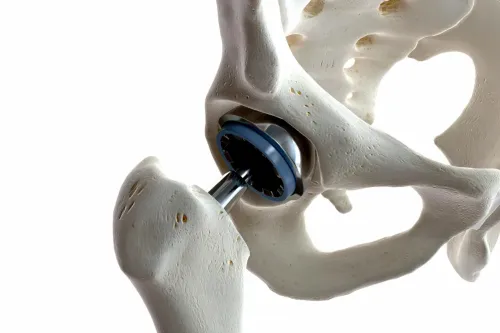
During Total Knee Replacement, damaged joint surfaces are replaced with artificial components designed to restore smoother movement and improve function.
The procedure is generally considered for severe joint damage rather than minor or occasional knee pain.
Osteoarthritis is a common reason for replacement, although other forms of advanced joint damage may also lead to consideration of surgery.
The aim is not to create a completely new biological knee. The objective is to address severely damaged joint surfaces, reduce arthritis-related pain, improve alignment when required, and support better everyday mobility.
Conservative Care Still Matters
Before considering replacement, many patients will have tried non-surgical treatment.
Depending on individual circumstances, this may include:
- Appropriate exercise
- Physiotherapy
- Weight management
- Medication
- Activity modification
- Walking aids when necessary
- Other medically appropriate interventions
Failure of one conservative measure does not necessarily mean surgery is immediately required. The overall pattern of symptoms and disability is more important.
Preparing for Surgery Influences Recovery
Once knee replacement is chosen, preparation becomes part of the treatment process.
Patients may undergo medical evaluation and investigations to assess readiness for surgery. Existing medications need to be reviewed, and home arrangements may need to be planned for the early recovery period.
After surgery, rehabilitation focuses on walking, knee movement, muscle activation, and gradual return to everyday activities.
Recovery is progressive rather than instantaneous.
Questions Worth Discussing Before Surgery
Patients considering replacement should understand why surgery is being recommended, what implant strategy is planned, what rehabilitation may involve, and what realistic improvement can be expected.
It is also useful to discuss existing medical conditions and factors that may influence surgical risk or recovery.
Dr. Gaurav Gupta evaluates knee arthritis using clinical findings, imaging, functional limitations, and the patient's response to previous treatment before discussing replacement.
For someone in Borivali with advanced arthritis, Total Knee Replacement becomes most relevant when persistent symptoms significantly restrict everyday life and appropriate conservative measures no longer provide adequate relief. The decision should be individualized, informed, and based on the condition of the knee as well as the person's functional goals.
Keywords