Shoulder pain is a common complaint among adults, especially those involved in sports, physically demanding jobs, or repetitive overhead activities. While minor strains often improve with rest and physiotherapy, persistent pain accompanied by weakness may indicate a rotator cuff tear. Ignoring the problem can make everyday tasks such as lifting objects, driving, dressing, or sleeping on the affected side increasingly difficult.
Many people in Malad continue managing shoulder pain with painkillers alone, hoping it will eventually disappear. However, a torn rotator cuff often requires proper evaluation to prevent the injury from worsening and to restore normal shoulder function.
What Is the Rotator Cuff?
The rotator cuff is a group of four muscles and their tendons that stabilize the shoulder joint and allow smooth arm movement. These tendons work together to help you lift, rotate, and control your arm during daily activities.
When one or more of these tendons become torn, shoulder strength and mobility are significantly affected.
Common Causes of Rotator Cuff Tears
Rotator cuff injuries may develop suddenly or gradually over time.
Common causes include:
- Falls onto the shoulder
- Sports injuries
- Heavy lifting
- Repetitive overhead work
- Age-related tendon degeneration
- Long-term shoulder impingement
Individuals over the age of 40 are more likely to develop degenerative tears, while younger patients often experience traumatic injuries.
Symptoms You Should Not Ignore
A rotator cuff tear can present with a variety of symptoms, including:
- Persistent shoulder pain
- Pain while lifting the arm
- Difficulty reaching overhead
- Weakness in the shoulder
- Night pain that disturbs sleep
- Clicking or catching sensations
- Reduced range of motion
These symptoms may gradually worsen if left untreated.
How Is a Rotator Cuff Tear Diagnosed?
An orthopedic specialist begins with a detailed assessment of your symptoms and shoulder function.
The evaluation may include:
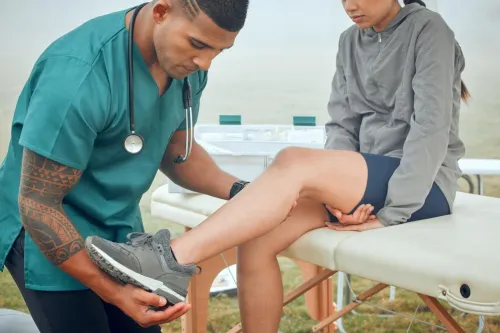
- Physical examination
- Muscle strength testing
- Range-of-motion assessment
- X-rays to assess bone structures
- MRI or ultrasound to confirm tendon damage
Imaging helps determine the size and severity of the tear, guiding treatment decisions.
Does Every Rotator Cuff Tear Need Surgery?
No.
Many partial tears and mild tendon injuries respond well to conservative treatment.
Non-surgical management may include:
- Activity modification
- Anti-inflammatory medication
- Physiotherapy
- Shoulder strengthening exercises
- Guided rehabilitation
The goal is to reduce pain while improving shoulder stability and movement.
When Is Rotator Cuff Repair Surgery Recommended?
Surgery may be advised if:
- The tendon is completely torn
- Shoulder weakness affects daily life
- Pain persists despite conservative treatment
- The patient wishes to return to sports or physically demanding work
- The tear continues to enlarge over time
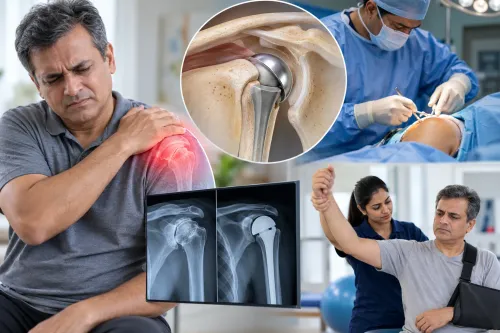
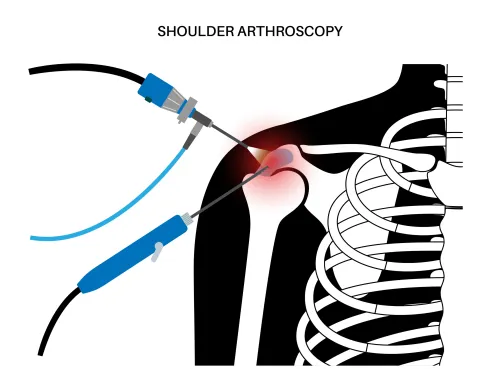
Modern arthroscopic techniques allow many rotator cuff repairs to be performed through small incisions, minimizing tissue damage and supporting recovery.
What Happens During Recovery?
Successful surgery is only one part of the healing process.
Recovery usually includes:
- Temporary use of a shoulder sling.
- Gradual physiotherapy.
- Gentle range-of-motion exercises.
- Progressive strengthening.
- Functional rehabilitation before returning to work or sports.
Recovery timelines vary depending on the size of the tear and individual healing.
Tips to Protect Your Shoulders
Whether recovering from surgery or preventing future injuries, these habits are beneficial:
- Warm up before exercise.
- Avoid repetitive overhead strain.
- Strengthen shoulder muscles.
- Maintain good posture.
- Use proper lifting techniques.
- Seek treatment early for persistent shoulder pain.
Healthy shoulder mechanics reduce unnecessary stress on the rotator cuff.
Why Early Treatment Improves Outcomes
Small tendon tears are often easier to manage than larger, long-standing injuries. Delaying treatment may lead to tendon retraction, muscle weakness, and more complex surgical repair.
Patients considering Rotator Cuff Repair Surgery in Malad can benefit from an individualized orthopedic assessment that identifies the extent of tendon damage and the most appropriate treatment approach. Dr. Gaurav Gupta combines advanced diagnostic evaluation with modern arthroscopic techniques and structured rehabilitation planning to help patients regain shoulder strength, reduce pain, and safely return to everyday activities.
Keywords