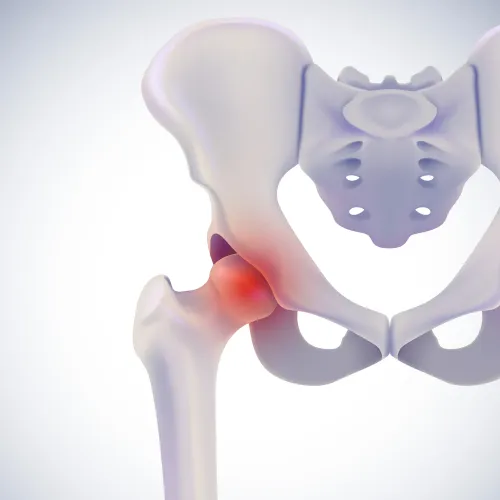
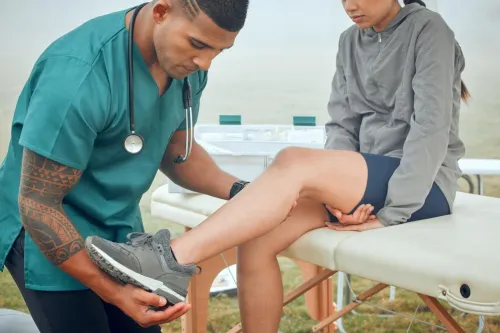
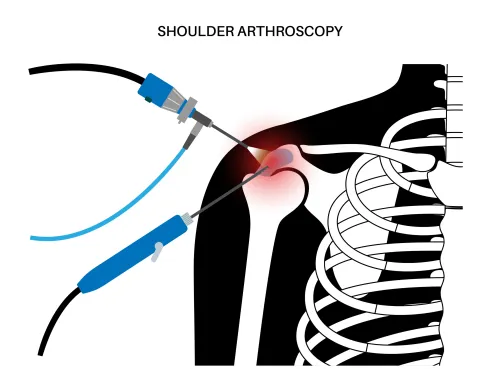
Joint pain can make even simple movements uncomfortable. Climbing stairs, getting up from a chair, walking for extended periods, or participating in recreational activities may become increasingly difficult when joints are affected by wear, injury, or inflammation. While medications and physiotherapy remain important treatment options, many patients today are exploring regenerative therapies that aim to support the body's natural healing process.
Among these, PRP Injection for Joint Pain has gained significant attention. Patients in Malad frequently ask whether PRP injections can delay surgery, improve mobility, or provide lasting pain relief. Understanding how this treatment works can help you make an informed decision.
What Is PRP Therapy?
PRP stands for Platelet-Rich Plasma. It is a treatment that uses a concentrated sample of platelets obtained from the patient's own blood.
Platelets naturally contain growth factors that play an important role in tissue repair. During PRP therapy:
- A small amount of blood is collected.
- The blood is processed to separate platelet-rich plasma.
- The concentrated PRP is injected into the affected joint under sterile conditions.
Because the treatment uses the patient's own blood, the risk of allergic reactions is generally low.
Which Conditions May Benefit from PRP?
PRP therapy is not suitable for every orthopedic condition, but it may be considered in selected patients experiencing:
- Early osteoarthritis
- Chronic tendon injuries
- Mild ligament injuries
- Cartilage-related joint pain
- Sports-related overuse injuries
- Persistent joint discomfort despite conservative care
An orthopedic evaluation is essential to determine whether PRP is appropriate for an individual's condition.
How Does PRP Work?
The goal of PRP treatment is not simply to mask pain.
Instead, the concentrated platelets release biological growth factors that may support tissue healing, reduce inflammation, and improve the local healing environment.
While results vary from person to person, many patients experience gradual improvement over several weeks rather than immediate pain relief.
What Are the Advantages of PRP Therapy?
Patients often consider PRP because it offers several potential benefits.
These include:
- Minimally invasive treatment
- Uses the patient's own blood
- Short outpatient procedure
- Minimal downtime
- May reduce joint pain
- Can improve function in selected cases
- Often combined with physiotherapy for better outcomes
The treatment plan is always tailored to the patient's diagnosis and overall health.
Is PRP Better Than Steroid Injections?
This is one of the most common questions patients ask.
Both treatments have different purposes.
Steroid injections are generally used to reduce inflammation and provide relatively quick symptom relief.
PRP injections focus on supporting tissue repair and may offer longer-term improvement in suitable patients.
The best choice depends on factors such as:
- Underlying diagnosis
- Severity of joint damage
- Patient age
- Activity level
- Previous treatments
- Overall treatment goals
An orthopedic specialist can explain which option is more appropriate after clinical evaluation.
What Happens After the Injection?
Most patients can return home on the same day.
Recovery usually includes:
- Temporary modification of strenuous activities
- Gradual return to exercise
- Physiotherapy when recommended
- Regular follow-up assessments
Some patients notice mild soreness for a short period after the injection, which generally settles naturally.
Who May Not Be a Suitable Candidate?
PRP therapy may not be appropriate for everyone.
It may not be recommended for patients with:
- Active joint infection
- Certain blood disorders
- Severe advanced arthritis
- Uncontrolled medical conditions
- Specific medication-related contraindications
A detailed consultation helps determine whether alternative treatment options would provide better results.
Can PRP Delay Surgery?
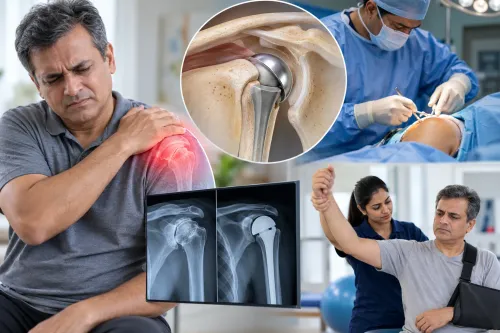
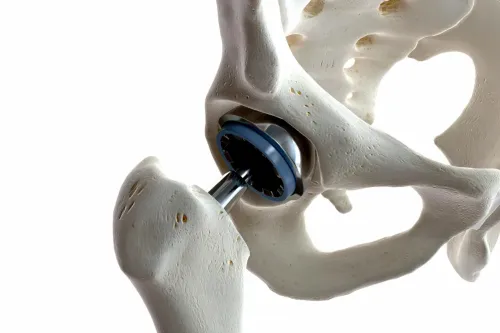
In selected patients with early joint degeneration or mild cartilage damage, PRP therapy may help manage symptoms and improve function. However, it cannot reverse severe arthritis or replace surgery when significant structural damage is present.
Early intervention often provides better outcomes than waiting until joint damage becomes advanced.
Why Professional Evaluation Matters
Every painful joint has a different cause. Simply requesting PRP without understanding the diagnosis may lead to disappointing results.
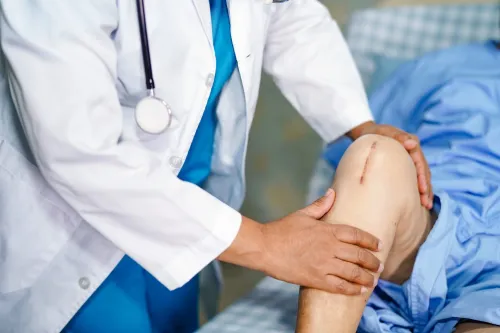
A thorough orthopedic examination helps identify whether the pain originates from cartilage wear, tendon injury, ligament damage, arthritis, or another underlying condition before selecting the most appropriate treatment.
Patients considering PRP Injection for Joint Pain in Malad often benefit from individualized assessment and evidence-based guidance. Dr. Gaurav Gupta evaluates each patient's joint condition carefully and recommends regenerative therapies only when they are clinically appropriate, ensuring that treatment is aligned with both the diagnosis and the patient's long-term mobility goals.
Keywords