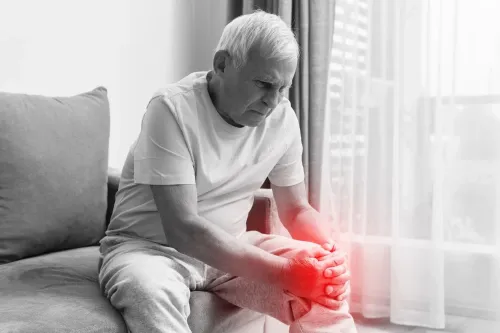
The meniscus is a vital part of the knee that acts as a natural shock absorber between the thigh bone and shin bone. A tear in this cartilage can make everyday activities such as walking, squatting, climbing stairs, or getting out of a chair uncomfortable and, in some cases, extremely painful.
Many people in Kandivali mistake a meniscus tear for a simple knee sprain and continue their daily routine despite ongoing symptoms. Unfortunately, delaying treatment may allow the injury to worsen and increase the likelihood of long-term joint problems.
What Is a Meniscus Tear?
Each knee contains two menisci—crescent-shaped pieces of cartilage that cushion the joint and help distribute body weight evenly.
A meniscus tear may occur due to:
- Sudden twisting movements
- Sports injuries
- Deep squatting
- Heavy lifting
- Age-related cartilage degeneration
Both young athletes and older adults can develop this condition, although the underlying causes often differ.
Symptoms That Suggest a Meniscus Tear
Symptoms may appear immediately after the injury or develop gradually.
Common signs include:
- Knee pain
- Swelling
- Clicking or popping sensations
- Knee locking
- Difficulty bending or straightening the knee
- Feeling of instability
- Pain while squatting or climbing stairs
Some smaller tears may cause only mild discomfort initially but become more noticeable with continued activity.
How Is a Meniscus Tear Diagnosed?
An orthopedic consultation usually includes:
- Medical history
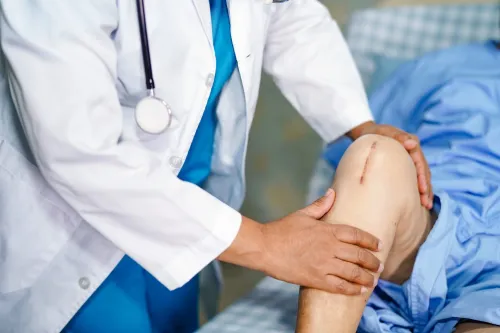
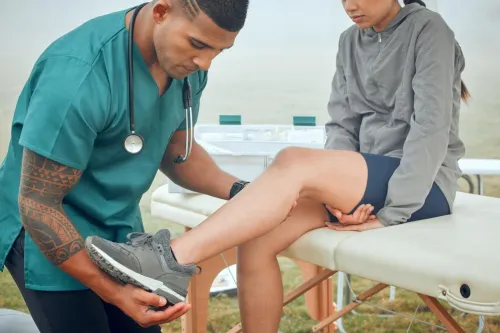
- Physical examination
- Joint movement assessment
- Specialized meniscus tests
- X-rays to exclude fractures
- MRI scanning for detailed cartilage evaluation
MRI remains one of the most reliable investigations for confirming meniscal injuries and identifying associated ligament damage.
Does Every Meniscus Tear Need Surgery?
No.
Treatment depends on several important factors, including:
- Size of the tear
- Location of the injury
- Patient's age
- Activity level
- Presence of knee instability
- Associated ligament injuries
Small tears located in areas with good blood supply may heal with conservative treatment.
Non-Surgical Treatment Options
Many patients recover successfully without surgery.
Conservative management may include:
- Temporary activity modification
- Ice application
- Anti-inflammatory medication
- Physiotherapy
- Muscle strengthening
- Gradual return to activity
The goal is to relieve pain while restoring normal knee function.
When Is Surgery Recommended?
Surgery may be considered if:
- The knee repeatedly locks
- Pain persists despite conservative care
- The tear is large or unstable
- Associated ligament injuries are present
- The patient wishes to return to competitive sports
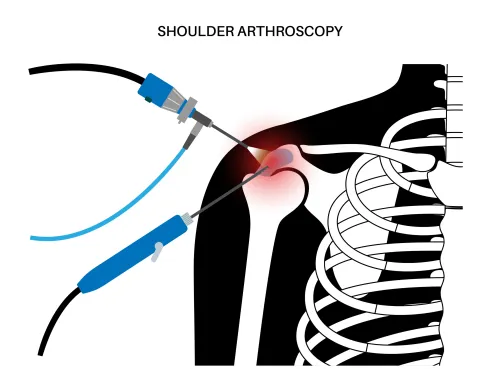
Arthroscopic surgery allows the orthopedic surgeon to repair or trim damaged cartilage through small incisions, reducing tissue trauma and promoting quicker recovery compared to traditional open surgery.
Rehabilitation After Meniscus Treatment
Whether treated conservatively or surgically, rehabilitation remains essential.
Recovery typically focuses on:
- Improving knee flexibility
- Restoring strength
- Enhancing balance
- Reducing swelling
- Returning safely to daily activities
Patients who follow their rehabilitation program consistently often experience better functional outcomes.
Can Meniscus Tears Be Prevented?
Although accidents cannot always be avoided, certain habits reduce the risk of knee injuries.
Helpful preventive measures include:
- Strengthening thigh muscles
- Maintaining flexibility
- Warming up before exercise
- Wearing supportive footwear
- Practising proper sports techniques
- Avoiding sudden increases in training intensity
Healthy muscles provide additional support and stability for the knee joint.
Why Prompt Evaluation Is Important
Persistent knee pain should never be ignored, especially when accompanied by locking, swelling, or instability. Early diagnosis often prevents additional cartilage damage and allows more treatment options before the condition progresses.
Patients looking for reliable Meniscus Tear Treatment in Kandivali can benefit from a detailed orthopedic assessment and personalized treatment planning. Dr. Gaurav Gupta evaluates each knee injury carefully, recommending evidence-based management that aims to relieve pain, preserve joint health, and help patients safely return to work, sports, and everyday life.
Keywords