Ligament injuries can affect movement much more than people initially expect. In the beginning, patients may only notice discomfort while walking fast, turning suddenly, climbing stairs, or playing sports. Later, the joint may start feeling unstable during normal movement itself.
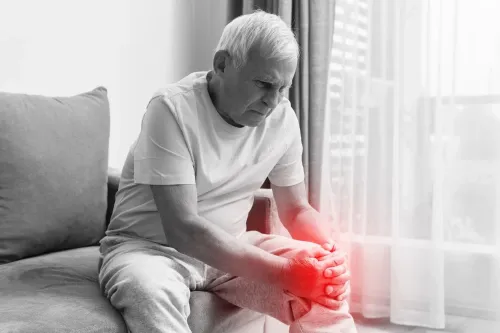
Patients consulting Dr. Gaurav Gupta in Malad often describe twisting injuries around the knee, ankle, or shoulder followed by swelling, weakness, or reduced confidence during movement. Some patients continue routine activity after the injury thinking it is a simple strain, only to realize later that the joint still does not feel stable properly.
One thing commonly noticed with ligament injuries is hesitation around movement after the pain reduces. Even when swelling improves, patients often feel uncertain while running, exercising, or changing direction quickly. That lingering instability can gradually affect both mobility and physical confidence.
Sports injuries today are also being evaluated more carefully than before. Patients are becoming more aware about rehabilitation quality, strengthening exercises, mobility training, and the importance of restoring proper joint function instead of rushing back into activity too early. Recovery discussions now focus not only on healing but also on preventing repeated injury in the future.
Dr. Gaurav Gupta focuses on understanding how ligament damage is affecting joint movement and stability before discussing suitable orthopedic treatment options. Some injuries improve with rehabilitation and strengthening support, while others may require more detailed orthopedic evaluation depending on severity and movement limitation.
Persistent instability after a twisting injury should not be ignored simply because swelling has reduced. Consulting Dr. Gaurav Gupta in Malad may help patients better understand available orthopedic treatment approaches for improving joint stability, movement confidence, and recovery.
Keywords