Ligaments are tough bands of connective tissue that stabilize joints by connecting bones. Whether you twist your knee during a football match, slip on wet stairs, or experience an awkward fall, ligament injuries can occur unexpectedly and significantly affect mobility. While some minor sprains heal with conservative care, more severe tears require specialized orthopedic evaluation to restore joint stability.
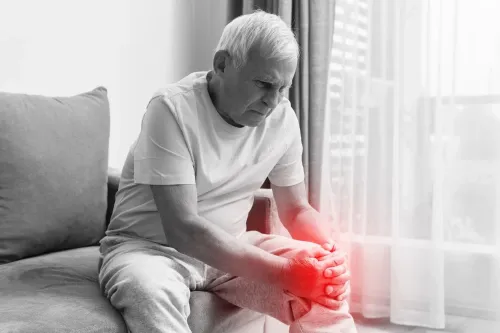
People in Borivali often continue their routine despite persistent joint pain, hoping it will settle with rest. Unfortunately, delaying treatment for a ligament injury can increase the risk of chronic instability, repeated injuries, and long-term joint damage.
What Is a Ligament Injury?
A ligament injury happens when one or more ligaments are stretched beyond their normal capacity or torn. These injuries are commonly classified into three grades:
- Grade 1: Mild stretching with microscopic damage
- Grade 2: Partial tear causing moderate instability
- Grade 3: Complete ligament tear resulting in significant joint instability
The severity determines the most suitable treatment plan and expected recovery time.
Which Joints Are Most Commonly Affected?
Although ligaments exist throughout the body, injuries frequently occur in joints that experience frequent movement or sudden twisting.
Common locations include:
- Knee
- Ankle
- Shoulder
- Wrist
- Thumb
- Elbow
Sports activities, road accidents, workplace injuries, and everyday falls are among the leading causes.
Symptoms That Should Not Be Ignored
Many people assume every ligament injury is a simple sprain. However, certain symptoms suggest a more serious problem.
These include:
- Sudden pain immediately after injury
- Swelling around the joint
- Bruising
- Difficulty bearing weight
- A popping sensation during the injury
- Joint instability
- Limited range of movement
- Pain while walking or climbing stairs
Persistent instability after an injury should always be evaluated by an orthopedic specialist.
How Is a Ligament Injury Diagnosed?
A thorough diagnosis is essential before deciding on treatment.
An orthopedic assessment may include:
- Detailed history of the injury
- Physical examination
- Joint stability tests
- X-rays to exclude fractures
- MRI scan to evaluate ligament damage
- Ultrasound in selected cases
Accurate imaging helps determine whether conservative treatment or surgery is the better option.
Treatment Depends on the Severity
Not every ligament injury requires surgery. The treatment approach is individualized based on the affected joint, degree of injury, activity level, and overall health.
Conservative Management
Many Grade 1 and selected Grade 2 injuries improve with:
- Rest
- Ice therapy
- Compression
- Elevation
- Protective bracing
- Physiotherapy
- Progressive strengthening exercises
A structured rehabilitation program helps restore joint function safely.
Surgical Treatment
Complete ligament tears or injuries causing persistent instability may require surgical reconstruction or repair.
Modern orthopedic techniques focus on preserving surrounding tissues while restoring joint stability and allowing patients to return to normal activities with confidence.
Why Physiotherapy Plays a Major Role
Successful recovery depends on more than simply allowing the ligament to heal.
Rehabilitation focuses on:
- Improving flexibility
- Restoring muscle strength
- Enhancing balance
- Rebuilding joint stability
- Preventing future injuries
Skipping rehabilitation increases the chances of repeated ligament injuries and long-term weakness.
Can Ligament Injuries Heal Without Surgery?
The answer depends on several factors.
Minor ligament injuries often heal well with conservative treatment, while complete tears involving important stabilizing ligaments may require surgical intervention.
The decision is influenced by:
- Severity of the tear
- Age
- Occupation
- Sports participation
- Functional demands
- Joint involved
An orthopedic evaluation helps determine the most appropriate treatment pathway.
Tips to Reduce the Risk of Ligament Injuries
Although not every injury is preventable, certain habits can lower the risk.
These include:
- Warming up before physical activity
- Maintaining muscle strength
- Wearing supportive footwear
- Improving balance and coordination
- Avoiding sudden increases in exercise intensity
- Using proper sports techniques
Strong muscles help protect joints during daily activities and athletic performance.
When Is It Time to Seek Medical Care?
You should consult an orthopedic specialist if:
- Swelling increases rapidly
- Walking becomes difficult
- Pain persists despite rest
- The joint repeatedly gives way
- Movement remains restricted
- You hear or feel a pop during the injury
Early intervention often shortens recovery time and reduces the risk of permanent joint instability.
Patients looking for expert Ligament Injury Treatment in Borivali can benefit from timely diagnosis and a personalized management plan. Dr. Gaurav Gupta carefully evaluates ligament injuries using clinical assessment and advanced imaging when necessary, helping patients receive evidence-based treatment that supports pain relief, joint stability, and a safe return to everyday activities or sports.
Keywords