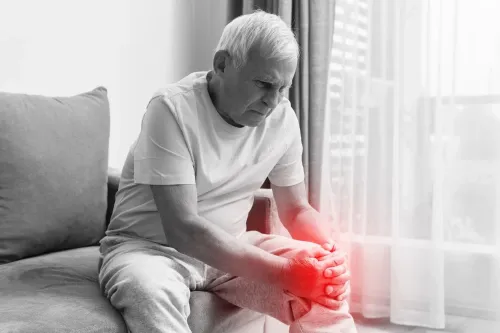
Persistent knee pain can affect work, exercise, and even routine daily activities such as climbing stairs or walking short distances. While many knee problems improve with physiotherapy and medication, some conditions require a more detailed evaluation and targeted treatment.
One of the most effective minimally invasive orthopedic procedures available today is Knee Arthroscopy. Patients in Malad often wonder whether arthroscopy is an alternative to knee replacement or whether it can help resolve sports injuries more quickly. Understanding the procedure can help you make informed treatment decisions.
What Is Knee Arthroscopy?
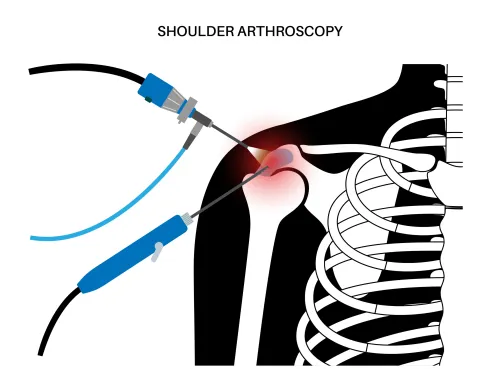
Knee arthroscopy is a minimally invasive surgical procedure that allows an orthopedic surgeon to examine and treat problems inside the knee joint using a small camera called an arthroscope.
Tiny incisions are made around the knee, allowing specialized instruments to repair or remove damaged tissue without the need for a large surgical incision.
Because the procedure is less invasive than traditional open surgery, recovery is often quicker for suitable patients.
Which Conditions Can Be Treated with Knee Arthroscopy?
Knee arthroscopy is commonly recommended for conditions such as:
- Meniscus tears
- ACL injuries
- Cartilage damage
- Loose bone or cartilage fragments
- Synovial inflammation
- Certain ligament injuries
- Some sports-related knee problems
Not every patient with knee pain requires arthroscopy. Proper diagnosis is essential before deciding on surgery.
Symptoms That May Indicate Arthroscopy Is Needed
Your orthopedic specialist may recommend further evaluation if you experience:
- Persistent knee pain
- Repeated knee locking
- Clicking sensations
- Swelling that keeps returning
- Knee instability
- Difficulty bending or straightening the joint
- Reduced performance during sports
These symptoms may indicate internal joint damage that cannot be corrected through medication alone.
How Is the Need for Arthroscopy Determined?
Before recommending surgery, your orthopedic specialist will usually perform:
- Clinical examination
- Assessment of knee stability
- Range-of-motion testing
- X-rays
- MRI scanning when necessary
The goal is to identify the exact source of pain and determine whether minimally invasive surgery offers meaningful benefits.
What Happens During the Procedure?
The procedure is usually performed under appropriate anesthesia.
During arthroscopy:
- Small incisions are created around the knee.
- The arthroscope is inserted into the joint.
- High-definition images guide the surgeon.
- Specialized instruments repair or remove damaged tissue.
- The incisions are closed with minimal sutures.
The procedure generally causes less soft tissue disruption compared to open surgery.
Benefits of Knee Arthroscopy
For carefully selected patients, arthroscopy offers several advantages.
These include:
- Smaller incisions
- Less postoperative discomfort
- Faster rehabilitation
- Improved visualization of the joint
- Reduced hospital stay
- Earlier return to daily activities
However, outcomes depend on the underlying condition being treated rather than the procedure alone.
Recovery After Knee Arthroscopy
Recovery varies depending on the specific procedure performed.
Rehabilitation often includes:
- Physiotherapy
- Controlled strengthening exercises
- Walking progression
- Balance training
- Gradual return to sports
Following rehabilitation instructions is essential for achieving the best long-term outcome.
Is Arthroscopy Better Than Knee Replacement?
These procedures address different problems.
Knee arthroscopy is generally recommended for specific internal knee injuries such as meniscus tears or ligament-related conditions.
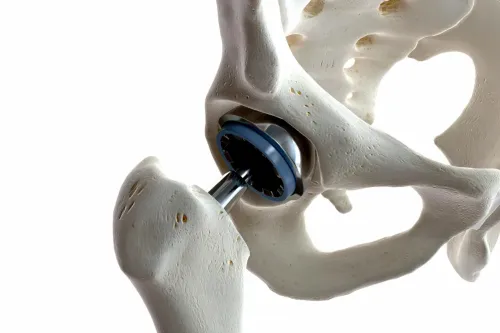
Knee replacement is typically reserved for advanced arthritis where the joint surfaces are extensively damaged.
Choosing the appropriate procedure depends on the diagnosis rather than age alone.
When Should You Consult an Orthopedic Specialist?
Consider orthopedic evaluation if:
- Knee pain persists despite treatment
- Swelling keeps recurring
- Your knee repeatedly locks
- Sports participation becomes difficult
- Walking causes instability
- Daily activities are increasingly limited
Early intervention often prevents further joint damage and improves treatment outcomes.
Patients considering Knee Arthroscopy in Malad can benefit from a detailed orthopedic assessment to determine whether minimally invasive surgery is the most appropriate option. Dr. Gaurav Gupta combines advanced diagnostic evaluation with personalized treatment planning, helping patients regain knee stability, reduce pain, and safely return to work, sports, and everyday activities.
Keywords