Most people don't immediately think about joint replacement when pain begins. They usually start by changing small habits. Maybe they avoid long walks, stop sitting on the floor, or reduce activities that trigger discomfort. These adjustments often seem manageable at first, but over time the restrictions can quietly grow until they start affecting independence and quality of life.
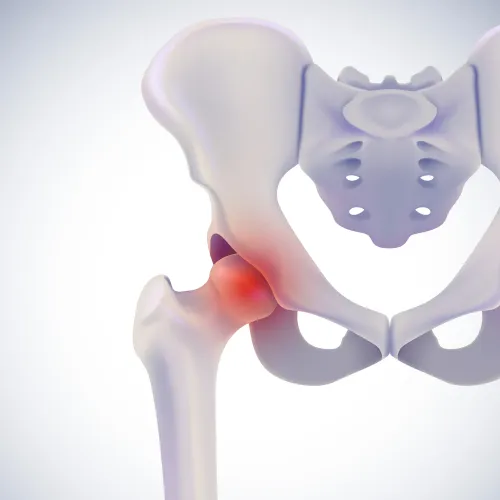
Joint replacement is often discussed when a damaged joint has reached a stage where everyday movement becomes consistently difficult. What surprises many patients is that the decision isn't based on age alone. Some people remain active with arthritis for years, while others find that pain and stiffness significantly limit their routine much earlier. The conversation is less about numbers and more about how the joint is affecting daily living.
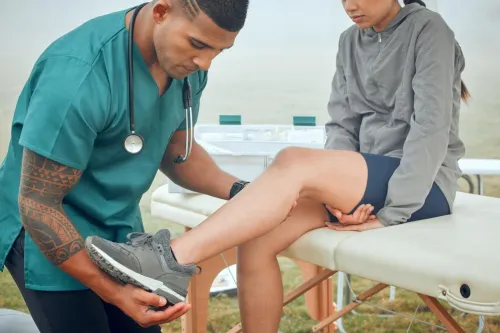
When patients meet Dr. Gaurav Gupta, they frequently arrive with mixed emotions. There's hope for relief, but also uncertainty about what treatment may involve. Questions about recovery, mobility, and long-term outcomes are completely natural. An important part of the consultation process is helping people understand their condition in simple terms so they can make informed choices.
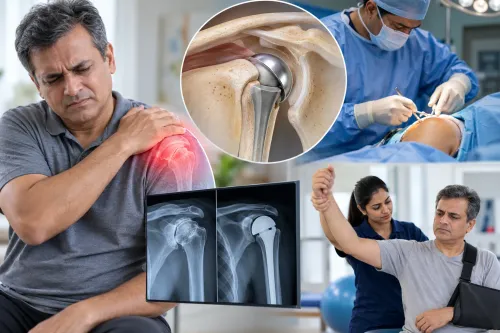
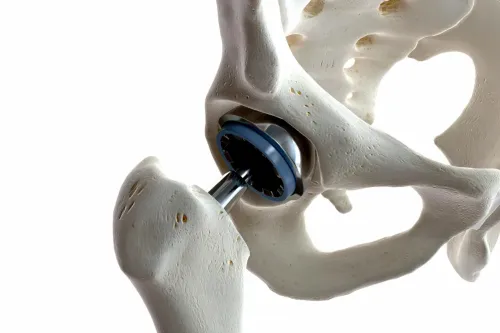
Joint replacement has advanced considerably over the years, yet the most meaningful outcome remains surprisingly simple: helping someone move more comfortably. Whether it's walking without constant discomfort, enjoying family outings, or returning to activities that have been avoided for years, improved function often matters as much as pain relief.
Making decisions about orthopedic care can feel overwhelming when information comes from multiple sources. A clear evaluation and honest discussion can help patients separate myths from facts and focus on what is most appropriate for their situation.
If joint problems are limiting your everyday activities, it may be worth exploring your options with an experienced orthopedic specialist.
For consultation with a Joint Replacement Surgeon in Borivali, connect with Dr. Gaurav Gupta.
Keywords