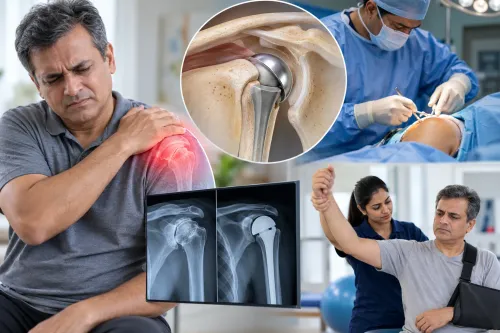
Frozen shoulders often develop gradually. At first, pain may be the main complaint. Over time, stiffness can become more noticeable until everyday movements such as combing hair, reaching behind the back, dressing, or putting on a seat belt become difficult.
Because several shoulder disorders can cause painful movement, choosing appropriate Frozen Shoulder Treatment starts with confirming that restricted motion is actually due to adhesive capsulitis.
For patients in Kandivali, Maharashtra, early assessment can also help distinguish frozen shoulders from rotator cuff problems, arthritis, and other causes of shoulder stiffness.
What Makes Frozen Shoulder Different
Frozen shoulder involves pain and progressive restriction of shoulder movement.
One important clinical feature is that both active movement performed by the patient and passive movement assessed by the clinician can become limited.
The condition commonly progresses through stages. Pain may dominate early, followed by increasing stiffness. Later, movement can gradually improve.
The duration and severity vary between individuals.
Why Diagnosis Matters Before Treatment
Not every stiff shoulder is frozen shoulder.
Arthritis can limit movement. A painful rotator cuff problem may make patients reluctant to move the arm. Previous fractures, surgery, or prolonged immobilization can also produce stiffness.
An orthopedic examination helps identify the movement pattern and determine whether imaging is required.
X-rays may be useful for excluding significant arthritis or other bony problems. Additional investigations are selected according to the clinical situation.
Treatment Depends on the Stage
Frozen Shoulder Treatment is usually individualized according to pain, stiffness, duration, and functional limitation.
Non-surgical management may include:
- Appropriate pain management
- Guided mobility exercises
- Physiotherapy
- Activity modification
- Selected medical interventions when appropriate
The intensity of exercise matters. Aggressive stretching through severe pain is not always helpful, particularly during a highly painful phase.
A structured program should balance maintaining mobility with avoiding unnecessary irritation.
When Further Intervention May Be Discussed
Most patients are initially managed conservatively, but some continue to have substantial stiffness despite appropriate treatment.
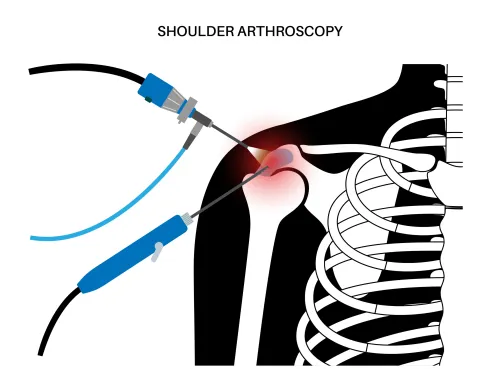
In selected cases, additional procedures may be considered based on the stage of the condition and the extent of functional restriction.
The decision should account for how long symptoms have persisted, whether movement is improving, what treatment has already been attempted, and how severely stiffness affects daily life.
Surgery is not automatically necessary simply because recovery is slow.
What to Look for in an Orthopedic Assessment
Patients seeking care should expect more than a quick label of frozen shoulder.
A useful evaluation should consider when symptoms began, whether there was an injury, which movements are restricted, whether the patient has previously had shoulder problems, and how the condition affects sleep and daily activities.
Dr. Gaurav Gupta assesses painful shoulder stiffness with attention to movement patterns and potential alternative diagnoses before recommending management.
For patients in Kandivali seeking Frozen Shoulder Treatment, realistic expectations are important. Recovery may take time, and improvement often occurs progressively rather than overnight. A diagnosis-based plan, appropriately paced exercises, and periodic reassessment can help determine whether conservative care is working or whether further intervention deserves consideration.
Keywords