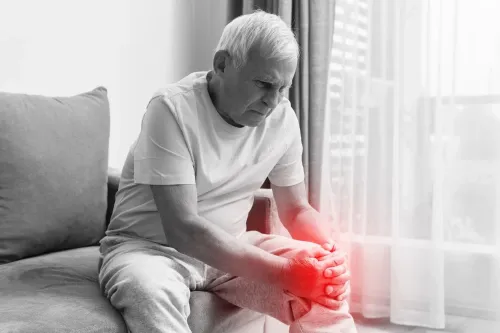
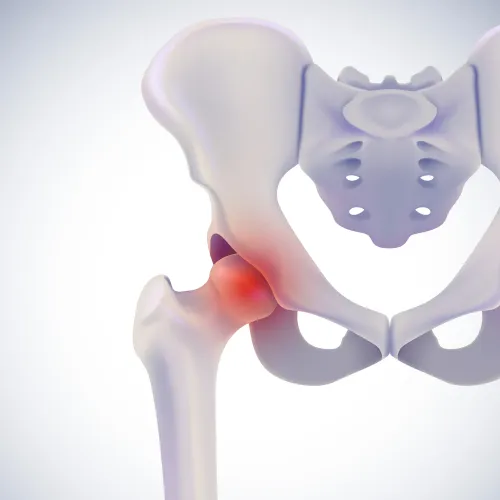
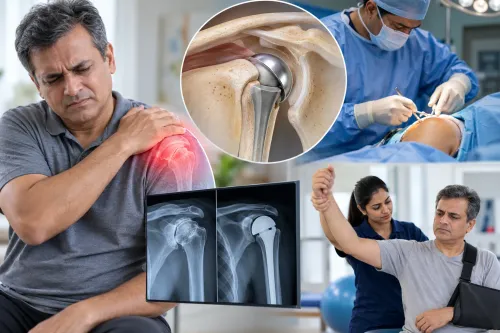
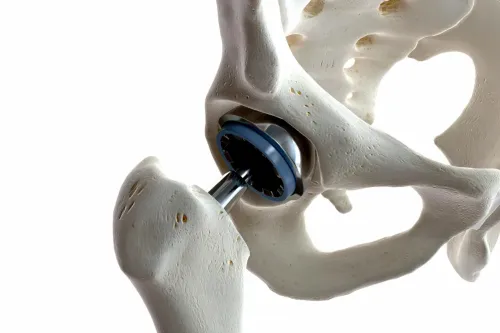
When people hear the term 'deformity correction,' they often think only about appearance. In reality, orthopedic deformities frequently affect much more than how a limb looks. They can influence balance, walking patterns, posture, joint health, and overall comfort during everyday activities.
Some deformities develop from birth, while others may appear after injuries, fractures, growth-related conditions, or long-standing orthopedic problems. Interestingly, many individuals adapt remarkably well over time. They learn different ways to walk, stand, or perform routine tasks. Because these adjustments happen gradually, they often don't realize how much extra strain their body is carrying.
During consultations, Dr. Gaurav Gupta often meets patients who have spent years believing their discomfort is something they simply have to live with. What they may not realize is that correcting alignment issues can sometimes improve movement efficiency and reduce stress on surrounding joints. The goal isn't perfection. It's helping the body function in a healthier and more comfortable way.
Every deformity presents a different challenge. Some cases require careful observation and conservative management, while others may benefit from more advanced orthopedic intervention. The treatment plan depends on factors such as age, severity, symptoms, and the impact on daily life. That's why personalized assessment remains so important.
Living with an orthopedic deformity can affect more than physical movement. It can influence confidence, participation in activities, and overall quality of life. Understanding the available options often helps patients make decisions based on facts rather than assumptions.
If you are experiencing mobility concerns related to bone or joint alignment, consulting an orthopedic specialist can provide valuable clarity.
Looking for Deformity Correction Treatment in Borivali? Connect with Dr. Gaurav Gupta to discuss suitable orthopedic solutions.
Keywords