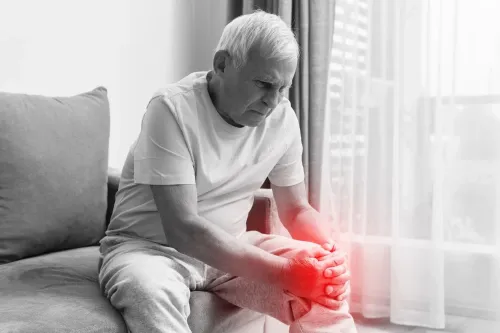
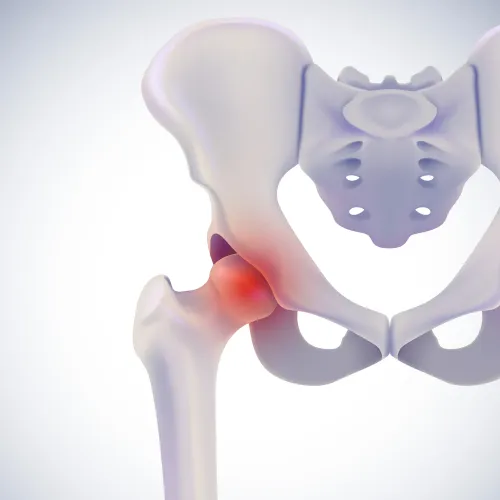
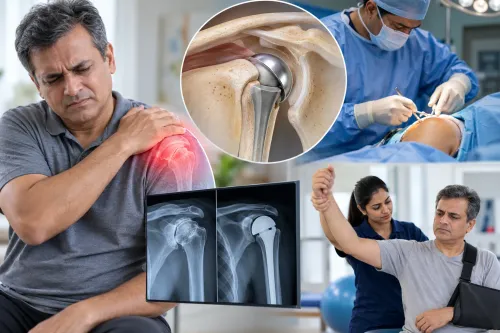
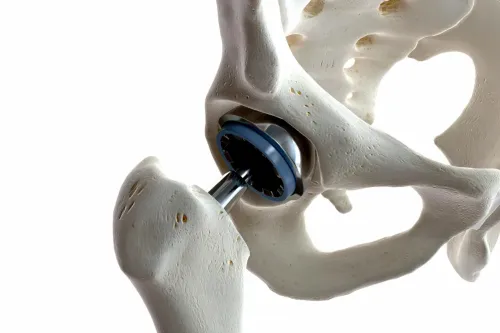
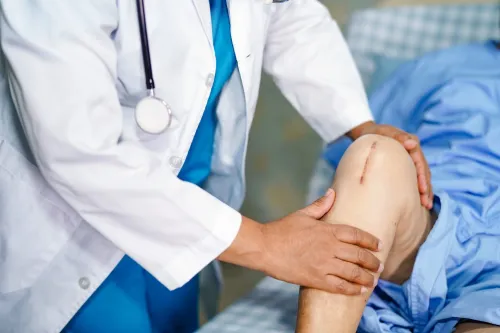
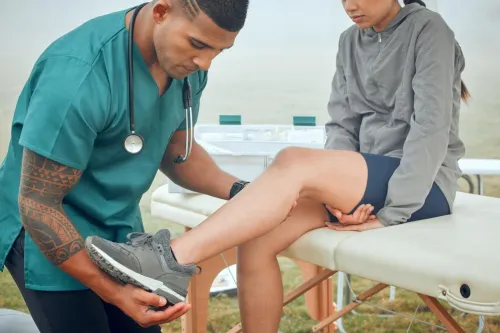
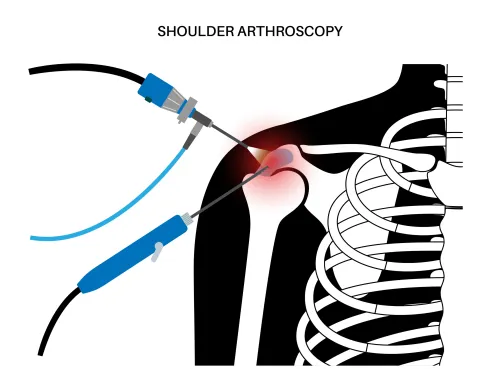
Bone and joint deformities can affect much more than physical appearance. They may cause chronic pain, difficulty walking, limited movement, uneven weight distribution, and reduced confidence during everyday activities. Whether present from birth or developing after injury or disease, orthopedic deformities often benefit from timely evaluation and individualized treatment.
Many patients in Borivali assume that living with a deformity is their only option. Advances in orthopedic surgery and rehabilitation now make it possible to improve alignment, restore mobility, and enhance overall quality of life for many individuals.
What Is an Orthopedic Deformity?
An orthopedic deformity refers to an abnormal alignment or shape of a bone or joint that affects normal movement or function.
Deformities may involve:
- Legs
- Knees
- Feet
- Hips
- Arms
- Spine
The severity can range from mild alignment issues to complex structural abnormalities requiring specialized care.
Common Causes of Bone and Joint Deformities
Orthopedic deformities may develop for several reasons, including:
- Congenital conditions
- Improperly healed fractures
- Bone infections
- Arthritis
- Growth plate injuries
- Neurological disorders
- Previous trauma
Early diagnosis allows treatment before the deformity progresses or causes additional complications.
Symptoms That May Indicate a Deformity
Some deformities are visible, while others become noticeable because of functional limitations.
Common symptoms include:
- Uneven walking pattern
- Persistent joint pain
- Difficulty standing for long periods
- Reduced range of movement
- Limb length differences
- Frequent falls
- Joint instability
- Progressive worsening of alignment
Orthopedic assessment is important whenever these symptoms interfere with daily life.
How Is a Deformity Evaluated?
A detailed evaluation helps identify the exact cause and severity of the problem.
Assessment may include:
- Clinical examination
- Walking analysis
- Joint alignment assessment
- X-rays
- CT scan when necessary
- MRI for associated soft tissue problems
Accurate planning is essential before considering corrective procedures.
Treatment Options for Deformity Correction
Treatment depends on:
- Patient age
- Type of deformity
- Severity
- Bone involved
- Functional limitations
- Overall health
Non-Surgical Treatment
Certain mild deformities may be managed with:
- Physiotherapy
- Orthotic support
- Activity modification
- Pain management
- Muscle strengthening
These approaches aim to improve function and reduce discomfort.
Surgical Correction
More significant deformities may require corrective orthopedic surgery.
Modern procedures can involve:
- Bone realignment
- Osteotomy
- Internal fixation
- Joint reconstruction
- Limb alignment correction
Advanced surgical planning allows precise correction while preserving healthy surrounding tissues.
Benefits of Corrective Treatment
Appropriate deformity correction can provide several long-term advantages.
Potential benefits include:
- Improved walking ability
- Better joint alignment
- Reduced pain
- Enhanced balance
- Increased mobility
- Lower stress on surrounding joints
- Better quality of life
The treatment plan is customized according to each patient's needs and lifestyle.
Recovery After Deformity Correction
Recovery involves more than healing the surgical site.
Rehabilitation often includes:
- Physiotherapy
- Strength training
- Balance exercises
- Walking retraining
- Gradual return to daily activities
Following rehabilitation guidelines helps achieve the best functional outcome.
When Should You Consult an Orthopedic Specialist?
Seek orthopedic evaluation if you experience:
- Progressive limb deformity
- Chronic joint pain
- Difficulty walking
- Recurrent falls
- Limb length differences
- Functional limitations affecting work or daily life
Early treatment often prevents secondary joint damage and improves long-term mobility.
Looking Ahead with Confidence
Modern orthopedic care has transformed the management of bone and joint deformities. With careful evaluation, accurate diagnosis, and individualized treatment planning, many patients can achieve improved alignment, better movement, and greater independence.
Individuals considering Deformity Correction in Borivali can benefit from comprehensive orthopedic care tailored to their specific condition. Dr. Gaurav Gupta provides detailed clinical assessment and evidence-based treatment strategies that focus on restoring function, improving mobility, and helping patients return to an active and comfortable lifestyle.
Keywords