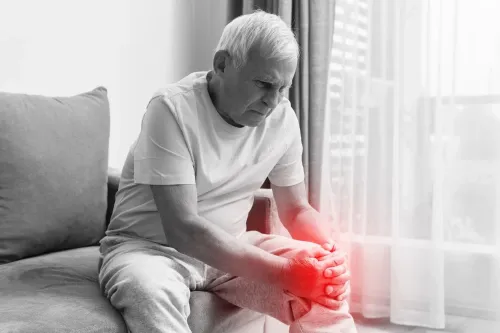
A sudden twist during a football match, an awkward landing after a jump, or a rapid change in direction can result in one of the most common sports-related knee injuries—an anterior cruciate ligament (ACL) tear. Although athletes are frequently affected, ACL injuries can also occur during routine activities, road accidents, or falls.
Many people in Borivali initially believe the pain will improve with rest, but an untreated ACL tear can lead to repeated knee instability, additional cartilage damage, and long-term joint problems. Understanding the available treatment options is the first step toward a successful recovery.
What Is the ACL?
The anterior cruciate ligament, commonly called the ACL, is one of the major stabilizing ligaments inside the knee. It prevents excessive forward movement of the shin bone and provides stability during activities such as walking, running, jumping, and changing direction.
When this ligament tears, the knee often feels unstable and unable to support normal movement.
Common Causes of an ACL Tear
ACL injuries usually occur without direct contact.
Frequent causes include:
- Sudden twisting of the knee
- Landing incorrectly after a jump
- Rapid pivoting movements
- Sports such as football, basketball, badminton, and cricket
- Road traffic accidents
- Falls causing knee rotation
Women participating in certain sports may have a slightly higher risk because of anatomical and biomechanical factors.
Symptoms of an ACL Tear
Although every injury is different, common symptoms include:
- A popping sound or sensation during injury
- Immediate knee pain
- Rapid swelling
- Difficulty walking
- Feeling that the knee may give way
- Limited range of movement
- Instability during turning or climbing stairs
Persistent instability is one of the strongest indicators that further orthopedic evaluation is necessary.
How Is an ACL Tear Diagnosed?
Diagnosis involves more than simply identifying pain.
An orthopedic specialist may perform:
- Detailed injury history
- Clinical examination
- Knee stability tests
- X-rays to rule out fractures
- MRI to confirm ligament damage and detect associated meniscus or cartilage injuries
Accurate diagnosis helps determine whether conservative management or surgery is the most suitable option.
Can an ACL Tear Heal Without Surgery?
This depends on the severity of the tear and the patient's activity level.
Non-surgical treatment may be appropriate for:
- Partial ACL tears
- Individuals with low physical demands
- Patients without significant knee instability
- Older adults who are not involved in pivoting sports
Treatment usually includes:
- Physiotherapy
- Muscle strengthening
- Activity modification
- Knee bracing when appropriate
However, complete ACL tears in active individuals often require surgical reconstruction to restore stability.
When Is ACL Surgery Recommended?
Surgery may be advised when:
- The ACL is completely torn
- The knee repeatedly gives way
- The patient wishes to return to sports
- Additional ligament or meniscus injuries are present
- Conservative treatment fails to restore stability
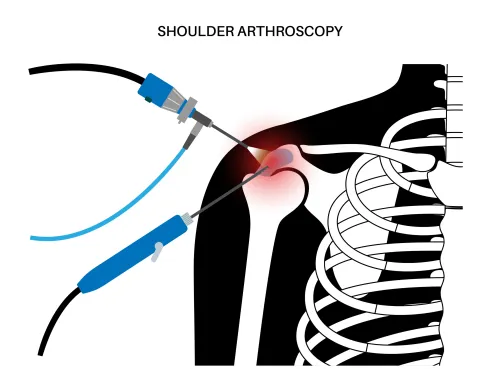
Modern ACL reconstruction uses minimally invasive arthroscopic techniques that allow precise ligament reconstruction while minimizing disruption to surrounding tissues.
Recovery After ACL Treatment
Recovery is a gradual process that requires commitment.
Rehabilitation typically focuses on:
- Reducing swelling
- Restoring knee movement
- Strengthening muscles
- Improving balance
- Sport-specific training
- Safe return to physical activity
Returning to sports too early increases the risk of reinjury.
Tips to Protect Your Knees
Whether recovering from an ACL injury or aiming to prevent one, healthy habits are essential.
These include:
- Strengthening the muscles around the knee
- Learning proper landing techniques
- Warming up before sports
- Improving flexibility
- Using appropriate sports footwear
- Following structured conditioning programs
Prevention programs have been shown to reduce ACL injury risk in many athletes.
Why Early Treatment Matters
Ignoring an unstable knee can lead to repeated episodes of giving way, which may damage the cartilage and meniscus over time. Early orthopedic assessment provides a better opportunity to preserve knee function and reduce long-term complications.
Patients seeking expert ACL Tear Treatment in Borivali can benefit from a comprehensive evaluation that considers their activity level, lifestyle, and treatment goals. Dr. Gaurav Gupta provides individualized management plans, including advanced arthroscopic techniques and structured rehabilitation strategies designed to restore knee stability and support a confident return to everyday activities and sports.
Keywords