PRP is not a universal treatment for every painful joint, tendon, ligament, or muscle. The right decision depends on the diagnosis, severity, previous treatment, evidence for that condition, and whether the expected benefit justifies the cost and recovery time.
Key takeaways
- PRP is usually considered after exercise-based care fails to control symptoms.
- Evidence for knee osteoarthritis remains limited and PRP preparations vary.
- Ask which diagnosis, PRP preparation, injection guidance, and outcomes apply to you.
- Plan for rehabilitation and reassessment before considering another injection.
Which arthritis and soft-tissue diagnoses are reasonable contexts for PRP?
PRP for knee osteoarthritis is most often discussed when mild-to-moderate knee arthritis causes persistent symptoms despite exercise-based care. The American Academy of Orthopaedic Surgeons rates the evidence as limited. The American College of Rheumatology and Arthritis Foundation conditionally recommend against PRP for knee and hip osteoarthritis because preparations and results lack consistency.
Studies differ in platelet concentration, white-blood-cell content, injection volume, treatment schedule, and comparator. In a randomized trial of 288 adults, three weekly injections did not outperform saline for pain or structural improvement at 12 months. Meta-analyses find modest average improvement over 3–12 months, but results vary widely.
| Diagnosis | Where PRP may enter discussion | Evidence or limitation |
|---|---|---|
| Knee osteoarthritis | Mild-to-moderate symptoms | Limited, inconsistent evidence; does not rebuild cartilage |
| Hip osteoarthritis | Selected patients after diagnosis and rehabilitation | Guidelines conditionally recommend against it |
| Tendinopathy or partial tendon tear | Targeted injection after confirming the injured tissue | The tendinopathy PRP evidence is mixed |
| Tennis elbow or patellar tendinopathy | Persistent symptoms after progressive loading | Mixed findings; corticosteroid comparisons can mislead |
| Achilles tendinopathy | Not a routine choice | A major trial found no meaningful benefit |
| Selected ligament or muscle injuries | Specific partial injuries with a defined target | Evidence is limited and diagnosis-dependent |
PRP does not reverse arthritis, restore worn cartilage, or reliably prevent joint replacement. It is symptom management, not tissue replacement.
What findings determine whether PRP fits your problem?
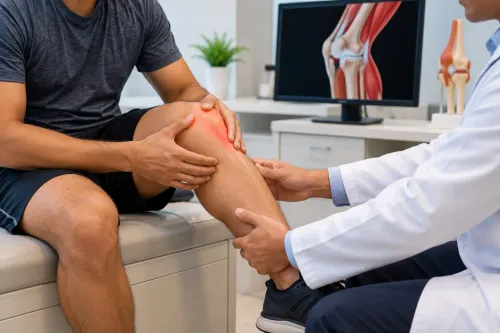
PRP candidacy starts with a joint pain diagnosis, not an injection request. Ask where the pain is, how long it has lasted, what activity triggers it, whether it causes night pain, and whether walking, lifting, work, or sport is limited.
| Assessment | What it checks | How it changes the decision |
|---|---|---|
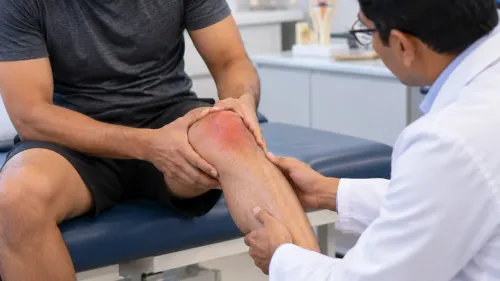
| Examination | Range of motion, swelling, strength, tendon tenderness, stability, gait, and pain-producing manoeuvres | Confirms the likely source |
| Weight-bearing X-ray for arthritis | Joint-space loss, bone spurs, and alignment under load | Shows arthritis severity |
| MRI tendon tear assessment | Partial tendon tear, ligament injury, cartilage lesion, muscle injury, or an alternative diagnosis | Clarifies the target or redirects treatment |
Before an elective injection, complete a properly performed exercise and physiotherapy programme, with load modification and reassessment. Dr Gaurav Gupta can connect examination and imaging to a treatment choice rather than treating every pain source as a PRP candidate.
Poor choices include:
- Advanced joint-space loss
- A complete tendon rupture needing repair
- Infection
- Inflammatory arthritis requiring disease-specific treatment
- Pain that has not been correctly diagnosed
A hot, acutely swollen joint, suspected septic arthritis, major fracture, locked joint, tendon rupture, or rapidly worsening neurological or vascular symptoms needs urgent assessment instead of PRP. Aspiration, imaging, antibiotics, surgery, or specialist neurological or vascular care may take priority.
Related service
PRP Injection for Joint Pain Platelet-Rich Plasma (PRP) Injection is an advanced, non-surgical treatment for joint pain that uses the patient’s own blood to promote natural... View service → |
How does PRP compare with exercise, medicines, other injections, and surgery?
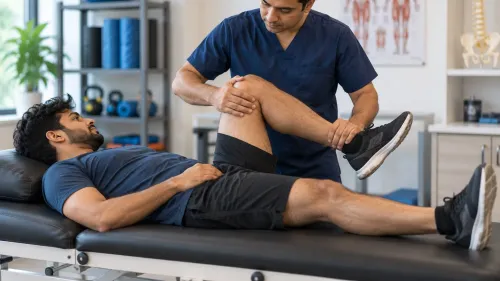
Physiotherapy and progressive strengthening often address the mechanics causing knee osteoarthritis or tendinopathy better than an injection. Load modification, activity-specific rehabilitation, and weight management can improve walking, tendon capacity, and joint function; PRP is not a replacement for these measures.
| Option | Main role | Key limitation |
|---|---|---|
| PRP versus physiotherapy | Symptom management alongside rehabilitation | It does not rebuild cartilage or correct weakness, poor movement, or excess load |
| Oral pain medicines | Reduce pain so you can move and exercise | Review stomach, kidney, cardiovascular, and medication risks with a clinician |
| PRP versus corticosteroid injection | PRP aims for symptom improvement over a longer period | Corticosteroids often work faster short term, but relief can fade; the treatments have different goals |
| PRP versus hyaluronic acid | Both may be considered for selected knee symptoms | Hyaluronic acid evidence depends on the condition and is not interchangeable with PRP |
| PRP versus surgery | PRP may sit between rehabilitation and an operation | Advanced joint-space loss, major structural damage, or persistent disability may require tendon repair or joint replacement |
A reported group-average benefit does not predict your response. Consider PRP only when the diagnosis and severity support it, after appropriate rehabilitation has been tried. It is symptom management, not cartilage rebuilding, arthritis reversal, or a guarantee that surgery will never be needed.
What happens during a PRP appointment, and what should you ask about?
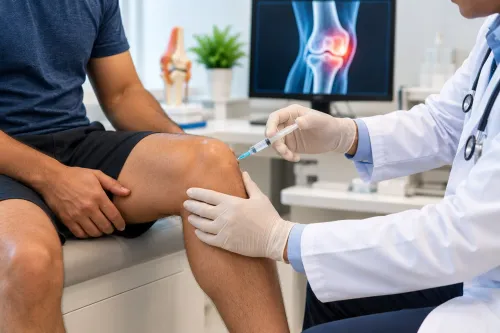
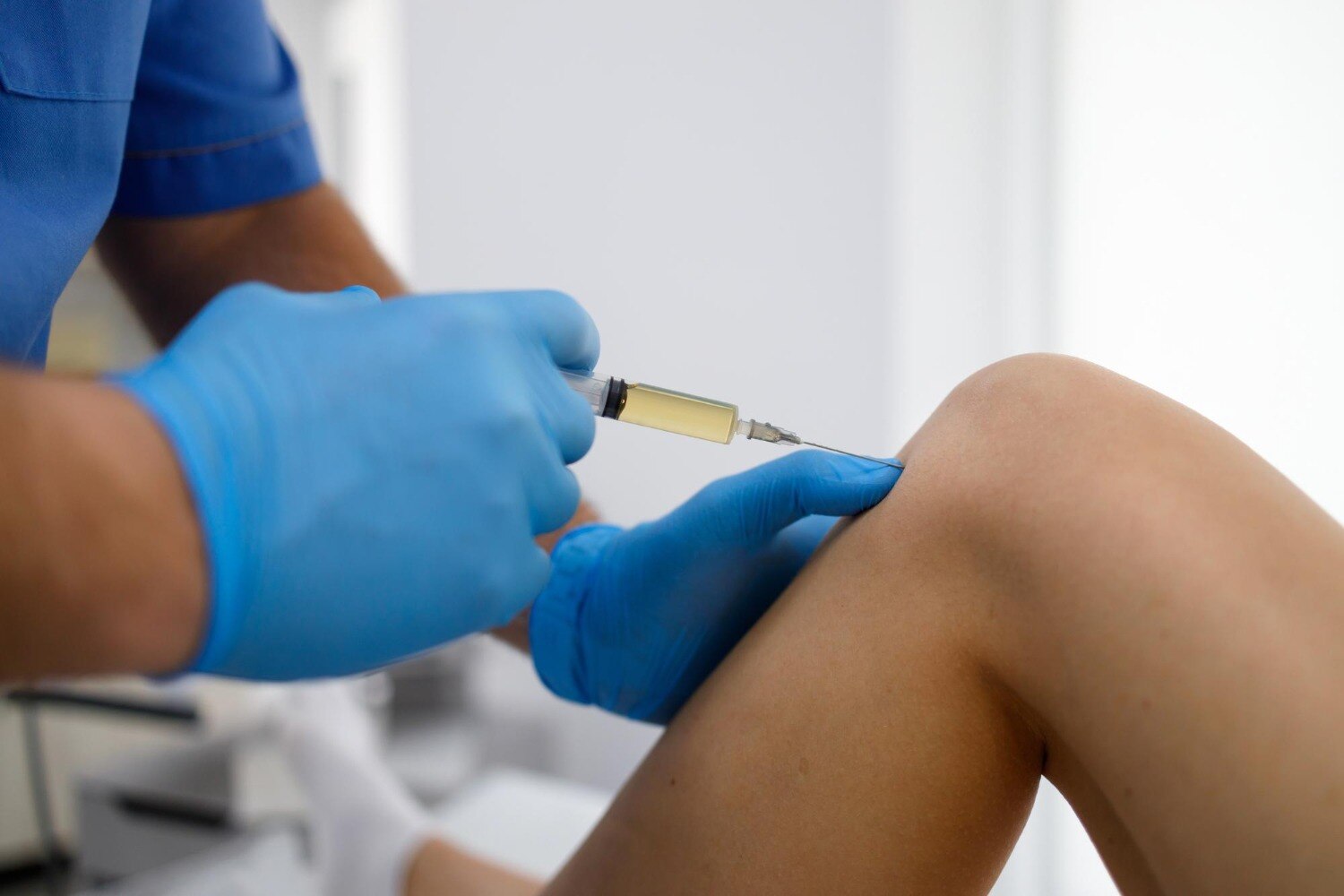
A PRP procedure usually starts with a blood draw, followed by centrifugation or another separation process. The resulting PRP preparation is injected into or around the diagnosed joint, tendon, ligament, or muscle. Appointment length depends on blood processing, preparation, and any imaging.
Ultrasound-guided PRP can improve needle placement, especially near a tendon or small target, but accurate placement does not prove that PRP will work. Ask:
- What platelet concentration, white-blood-cell level, and red-blood-cell content will the preparation contain?
- Will the sample be activated, and if so, by what method?
- What volume will be injected, and exactly which tissue is the target?
- How many injections are planned, and what evidence supports PRP for my diagnosis?
- Will ultrasound be used, and is its imaging fee separate?
- Will you use local anaesthetic? Its use varies because it can affect the treatment plan and is unsuitable for every target tissue.
- Should I change any medicines? Do not stop aspirin, anticoagulants, or anti-inflammatory medicines without approval from the clinician who prescribed them.
Ask for the full PRP cost and insurance details. Coverage may be limited, so confirm that the quote includes preparation, imaging, follow-up, and every planned injection—not just the first visit.
What recovery, rehabilitation, and repeat-injection plan should you expect?
PRP recovery time depends on the injected tissue and your job, not a universal timetable. Expect temporary PRP post-injection soreness, stiffness, or swelling; an intratendinous injection can produce a more noticeable flare before it settles.
1. Follow the clinician’s written limits on heavy loading, impact sport, stretching, driving, and work. Return depends on symptoms, examination findings, job demands, and whether the target was a joint, tendon, ligament, or muscle.
2. Begin gentle movement when instructed, then progress range-of-motion exercises. Later stages add strengthening, progressive tendon loading, walking tolerance, balance work, or sport-specific drills.
3. Judge improvement over weeks to months, using pain, walking or activity tolerance, strength, daily function, and examination findings. The injection is not a replacement for PRP rehabilitation or progressive load management.
Increasing redness, warmth, fever, severe swelling, worsening pain, drainage, numbness, or colour change needs medical review. Infection, bleeding, nerve or vessel injury, and persistent symptoms are uncommon but recognized risks; your own blood does not make treatment risk-free.
Repeat PRP injections have no guaranteed standard number. The clinician should decide whether to repeat treatment after reviewing your response, diagnosis, preparation used, interval, adverse effects, and alternatives. A poor response can indicate that rehabilitation, another diagnosis, or a different treatment is more appropriate.
Frequently asked questions
Which arthritis and soft-tissue diagnoses are reasonable contexts for PRP?
PRP is discussed most often for persistent mild-to-moderate knee osteoarthritis and selected soft-tissue injuries after diagnosis and non-injection care have been reviewed.
What findings determine whether PRP fits your problem?
Your diagnosis, symptom duration, examination findings, imaging, previous treatment, activity goals, and the severity of joint or tissue damage all affect the decision.
How does PRP compare with exercise, medicines, other injections, and surgery?
Exercise-based rehabilitation remains important. Medicines and other injections have different risks and evidence, while surgery is considered when structural damage and symptoms justify it.
What happens during a PRP appointment, and what should you ask about?
Blood is collected, processed, and injected into the target area. Ask about the preparation, injection guidance, expected benefit, risks, cost, and alternatives.
What recovery, rehabilitation, and repeat-injection plan should you expect?
Expect activity guidance, a staged rehabilitation plan, and a review of progress. A repeat injection should depend on your response, diagnosis, and the clinician’s treatment plan.