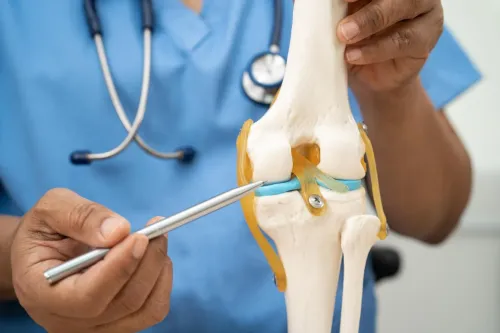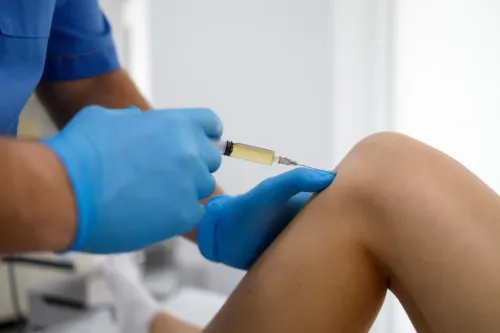
Knee pain can develop from meniscus injuries, cartilage damage, ligament injuries, loose bodies, inflammation, and other conditions. When symptoms continue despite appropriate non-surgical care, Knee Arthroscopy may be considered for selected problems.
For patients in Borivali, Mumbai, understanding the purpose and limitations of arthroscopy can help them have a more informed discussion with an orthopaedic surgeon.
Understanding The Arthroscopy Procedure
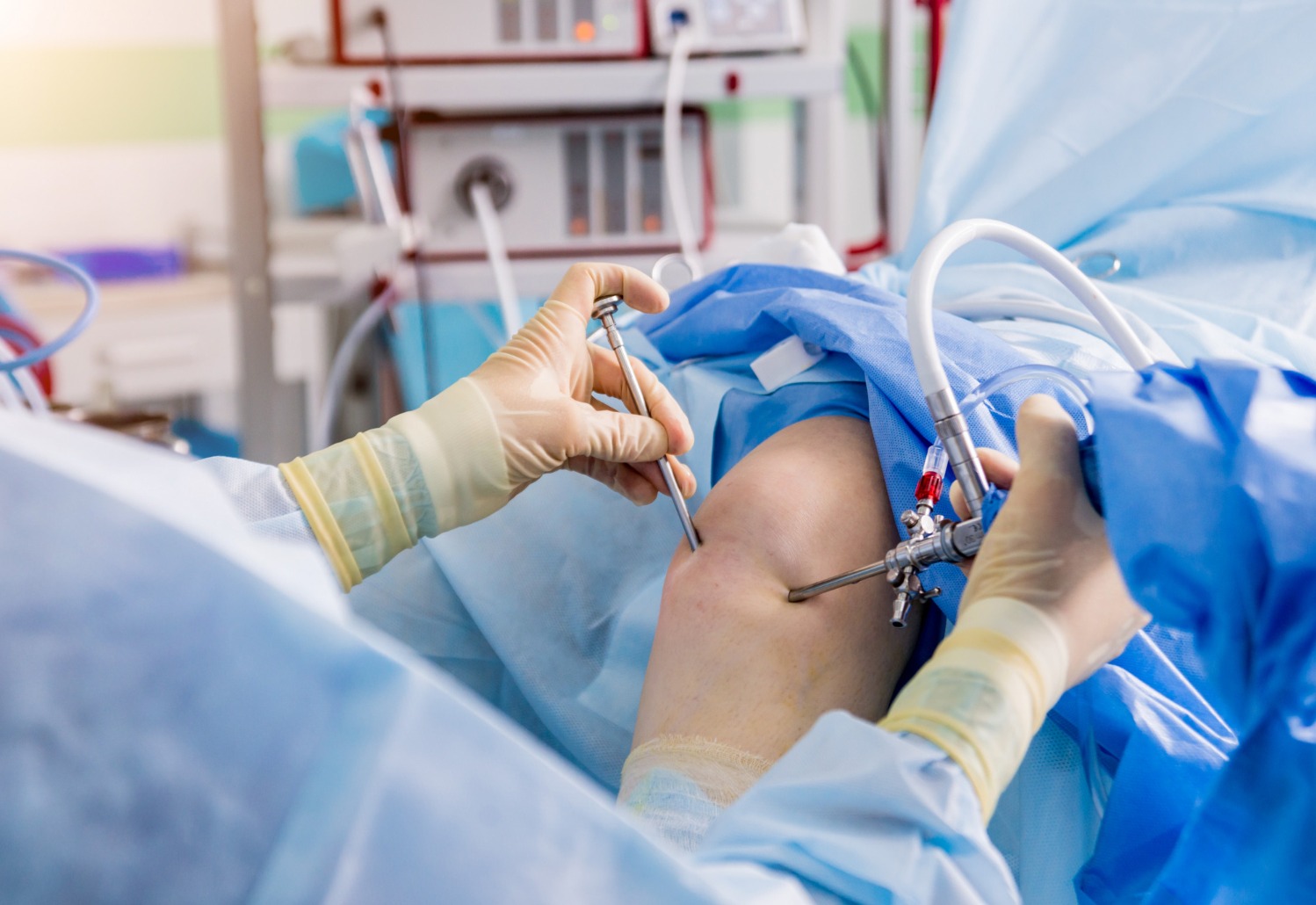
Knee arthroscopy is a minimally invasive surgical technique that allows an orthopaedic surgeon to examine the inside of the knee through small incisions.
A small camera is introduced into the joint, while additional instruments may be inserted through other small openings when treatment is required.
Depending on the diagnosis, arthroscopy may be used to address:
- Certain meniscus tears
- Selected cartilage problems
- Loose bodies
- Specific ligament-related injuries
- Synovial problems
The exact procedure depends on the problem identified before and during surgery.
When Knee Arthroscopy May Be Considered
Arthroscopy is most useful when there is a specific structural problem that can reasonably be treated through the procedure.
Symptoms that may prompt further assessment include:
- Persistent knee pain
- Recurrent swelling
- Catching or locking
- Reduced movement
- Mechanical symptoms
- Instability after injury
However, arthroscopy is not automatically appropriate for every person with knee arthritis. Age-related degenerative changes require individualised assessment, and surgery may not provide meaningful benefit in every case.
Preparing For Surgery
Before surgery, the orthopaedic team reviews symptoms, examination findings, imaging, medicines, allergies, and existing health conditions.
Patients may receive instructions regarding:
- Fasting
- Medication adjustments
- Preoperative investigations
- Hygiene
- Transportation after surgery
- Home support during early recovery
The anaesthesia plan depends on the procedure and individual circumstances.
Recovery After Knee Arthroscopy
The recovery period depends heavily on what was performed during the operation.
A relatively straightforward procedure may allow early walking, while meniscus repair or ligament reconstruction may require crutches, restricted weight-bearing, and a longer rehabilitation programme.
Recovery commonly involves:
- Pain and swelling management
- Restoration of knee movement
- Quadriceps activation
- Progressive strengthening
- Balance exercises
- Functional training
- Gradual return to normal activities
Patients should follow the rehabilitation plan rather than judging readiness solely by how the knee feels.
Benefits And Possible Risks
When appropriately indicated, arthroscopy may allow a specific internal knee problem to be addressed through relatively small incisions. It can potentially improve mechanical symptoms and function.
As with other surgical procedures, risks can include infection, bleeding, blood clots, stiffness, persistent pain, nerve or blood-vessel injury, and anaesthesia-related complications.
The outcome also depends on the underlying condition and the health of the knee before surgery.
Frequently Asked Questions
Is knee arthroscopy a major operation?
It is generally less invasive than many open procedures, but it remains surgery and requires appropriate preparation and rehabilitation.
Can patients walk immediately after arthroscopy?
Some can, while others need crutches or weight-bearing restrictions depending on the procedure.
Is knee arthroscopy useful for arthritis?
Its usefulness depends on the specific problem. It is not a routine solution for uncomplicated age-related knee osteoarthritis.
How long does recovery take?
Recovery varies from relatively short periods for simpler procedures to several months for more complex operations.
For individuals considering Knee Arthroscopy in Borivali, the important question is whether the identified knee condition is one that arthroscopy can meaningfully treat.
Keywords