An anterior cruciate ligament injury can change the way a person walks, runs, lands, and changes direction. For athletes and active individuals, repeated knee instability can interfere with both sport and everyday confidence. In selected cases, ACL Reconstruction can help restore knee stability.
For patients in Kandivali, Mumbai, understanding the complete recovery journey is just as important as understanding the surgical procedure.
When ACL Reconstruction May Be Considered
An ACL tear does not automatically mean surgery is required. Some people can manage their symptoms through structured rehabilitation, especially when instability is limited and their activities do not involve frequent pivoting.
Reconstruction may be considered when:
- The knee repeatedly gives way
- Instability interferes with daily life
- The patient wants to return to pivoting sports
- Associated meniscus injuries are present
- Rehabilitation alone has not provided sufficient stability
Clinical examination and imaging help determine the extent of injury.
How ACL Reconstruction Is Performed
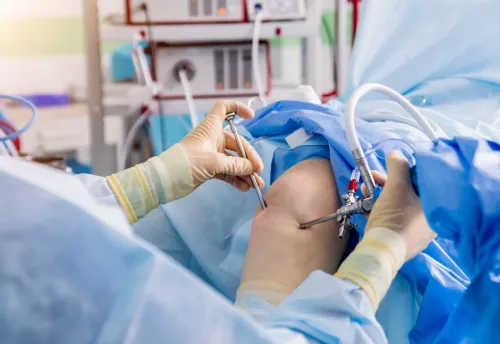
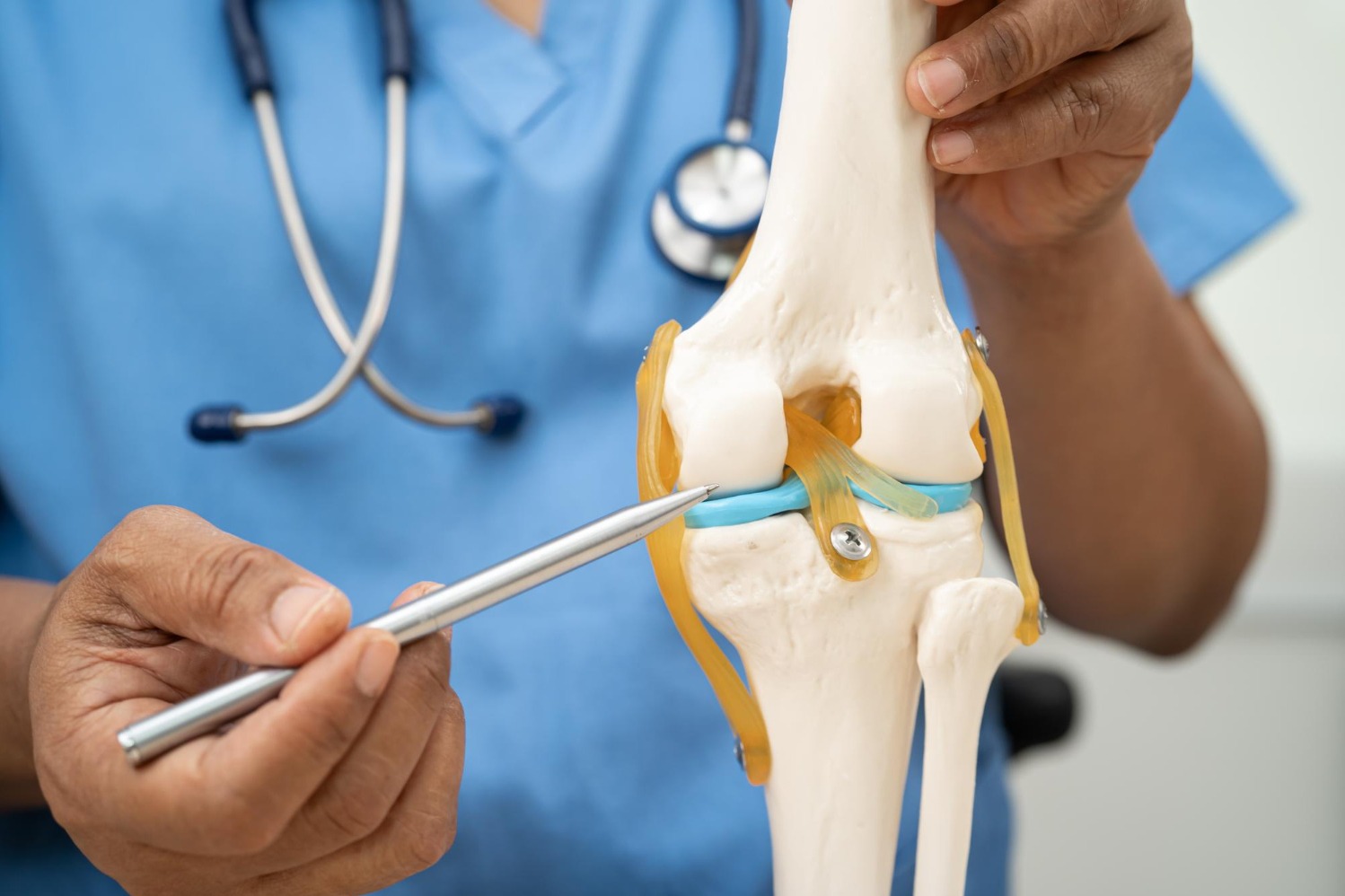
ACL reconstruction generally involves replacing the damaged ligament with a graft.
The graft may be taken from the patient's own tissue or another appropriate source. Arthroscopic techniques are commonly used to position the graft inside the knee.
If the injury has also affected the meniscus or cartilage, those problems may require treatment during the same surgical procedure.
The choice of graft and surgical technique depends on the patient's anatomy, age, activity requirements, associated injuries, and surgeon assessment.
Preparing The Knee Before Surgery
Preoperative rehabilitation can be valuable. Excessive swelling and stiffness may make recovery more difficult, so improving knee movement and muscle activation before surgery can be helpful.
Preparation may include:
- Reducing swelling
- Restoring knee movement
- Strengthening the quadriceps
- Improving general fitness
- Understanding postoperative restrictions
- Planning physiotherapy
Patients should also discuss medicines, medical conditions, previous injuries, and sporting goals.
What Recovery Looks Like
ACL reconstruction is not simply an operation followed by immediate return to sport. Rehabilitation is a major part of the treatment.
Early recovery focuses on controlling swelling, restoring movement, improving muscle activation, and developing a safe walking pattern.
Later stages progressively introduce:
- Strength training
- Balance and neuromuscular exercises
- Running
- Jumping and landing
- Direction changes
- Sport-specific drills
- Functional testing
Return to sport should be based on healing, strength, movement quality, psychological readiness, and functional performance rather than a fixed date.
Benefits And Surgical Risks
The potential benefit is improved stability for patients who are appropriate candidates for reconstruction. This may support a return to activities that involve cutting, pivoting, jumping, and rapid changes in direction.
Possible complications include infection, stiffness, blood clots, persistent instability, graft failure, pain, and reinjury.
The condition of the meniscus and cartilage can also influence long-term knee health.
Questions Patients Commonly Ask
Can an ACL tear heal without surgery?
Some patients can manage an ACL injury through structured rehabilitation, particularly when instability is limited.
Is physiotherapy necessary after reconstruction?
Yes. Rehabilitation is essential for restoring strength, movement control, balance, and function.
When can sports resume?
Return should occur after adequate healing and functional recovery. The calendar alone should not determine readiness.
Can an ACL reconstruction fail?
Graft failure and reinjury are possible. Appropriate rehabilitation and a carefully managed return to sport are important.
For active individuals seeking ACL Reconstruction in Kandivali, surgery should be viewed as one stage of a longer recovery programme involving rehabilitation, progressive loading, and careful return to activity.
Keywords