
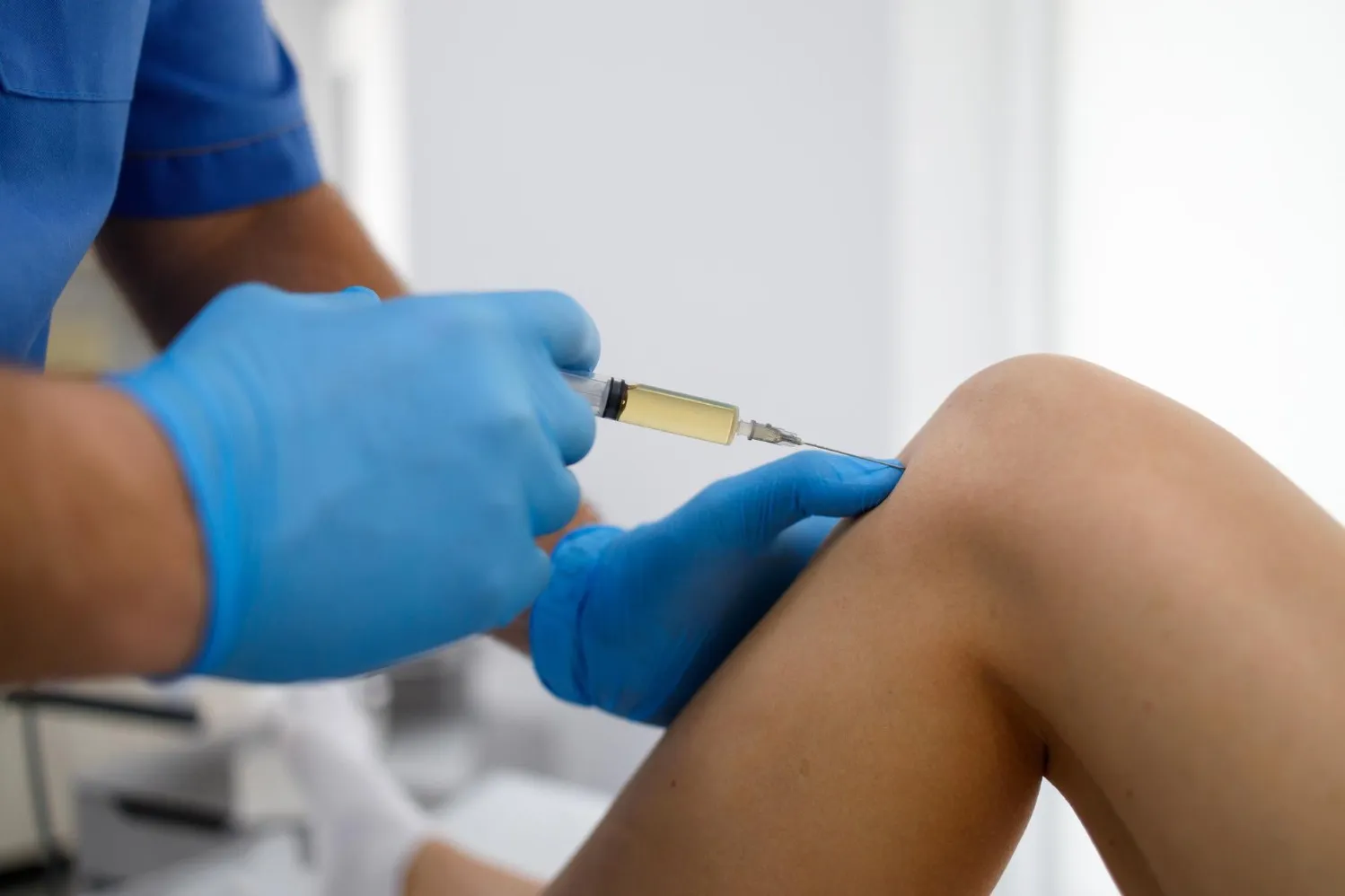
Persistent joint pain can affect walking, climbing stairs, exercising, sleeping, and even simple household activities. While some joint problems improve with rest, physiotherapy, medication, or activity modification, inflammation around a joint can sometimes require more targeted treatment. Steroid Injection Treatment may be considered when inflammation is contributing significantly to pain and other conservative measures have not provided adequate relief.
For people seeking orthopaedic care in Kandivali, Mumbai, understanding the role of steroid injections is important. An injection is not a universal solution for every type of joint pain. Its suitability depends on the diagnosis, affected joint, severity of symptoms, previous treatment, medical history, and treatment goals.
How Steroid Injection Treatment Works
A steroid injection uses corticosteroid medication to reduce inflammation in a specific area. Depending on the condition, the medicine may be injected into a joint or around an inflamed structure such as a bursa or tendon sheath.
The purpose is primarily to reduce pain and inflammation. When symptoms improve, some patients may find it easier to move the joint and participate in physiotherapy or strengthening exercises.
Steroid injections may be considered for selected inflammatory conditions involving the knee, shoulder, hip, elbow, ankle, or other musculoskeletal structures.
However, the injection does not repair a torn ligament, reconstruct damaged cartilage, or replace a severely worn joint. It is generally one component of a broader treatment plan.
When An Injection May Be Appropriate
The cause of pain needs to be established before an injection is recommended. Arthritis-related inflammation, bursitis, tendon problems, and other conditions may have different treatment requirements.
An orthopaedic evaluation may consider an injection when:
- Pain is interfering with normal activities
- Inflammation is contributing to symptoms
- Conservative treatment has not provided sufficient improvement
- Pain is preventing effective rehabilitation
- Surgery is not currently required
A clinical examination may be supported by X-rays, ultrasound, MRI, or other investigations when appropriate.
For patients in Kandivali, an accurate diagnosis is particularly important because symptoms such as knee pain or shoulder pain can arise from several different conditions.
What Patients Can Expect During The Procedure
Before the injection, the doctor generally reviews the diagnosis, medicines, allergies, previous injections, and relevant medical conditions.
The skin is cleaned carefully before the medication is administered using a sterile technique. Depending on the joint and clinical situation, the injection may be performed using anatomical landmarks or image guidance.
The procedure itself is usually relatively short. Some patients experience temporary discomfort at the injection site.
Pain relief may not be immediate. Improvement can develop over several days, although the response differs from person to person.
Recovery And Aftercare
Steroid injections usually have a much shorter recovery period than surgery, but patients should not immediately overload the treated area.
After the procedure, patients may be advised to:
- Rest the treated area temporarily
- Avoid strenuous exercise immediately afterwards
- Follow prescribed rehabilitation exercises
- Gradually return to normal activities
- Monitor swelling, pain, and other changes
The appropriate activity level depends on the underlying condition and the joint that was treated.
Benefits And Potential Risks
The main potential benefit is reduction of inflammation and pain without requiring an operation. This may improve movement and allow rehabilitation to progress more comfortably.
However, injections also have limitations. Possible complications include infection, temporary increase in pain, skin or tissue changes, and temporary increases in blood glucose in some patients.
People with diabetes, active infections, certain medical conditions, or specific medication requirements should discuss these factors before treatment. Repeated steroid injections may also require careful consideration because they are not appropriate at unlimited frequency.
Frequently Asked Questions
How long does relief from a steroid injection last?
The duration varies. Some patients experience relief for several weeks or months, while others may have limited improvement.
Can steroid injections cure arthritis?
No. They may reduce pain and inflammation but do not reverse established joint degeneration.
Can physiotherapy follow an injection?
In suitable cases, improved pain control may make physiotherapy easier. The timing should be decided according to the diagnosis.
What happens if pain keeps returning?
Repeated symptoms require reassessment. Medication, physiotherapy, further investigations, or surgery may be considered depending on the underlying condition.
For patients considering Steroid Injection Treatment in Kandivali, the most important step is an accurate orthopaedic assessment. A targeted treatment plan can help determine whether an injection is appropriate and what additional measures are needed for longer-term joint health.
Keywords


