Severe shoulder damage can make simple activities such as dressing, reaching a shelf, or sleeping comfortably difficult. While many shoulder conditions can be managed without joint replacement, certain problems involving the humeral head may require a more specialized surgical approach. Shoulder Hemiarthroplasty Treatment is one option that may be considered in carefully selected cases.
For patients in Kandivali, Maharashtra, understanding what the procedure replaces and why it may be selected is important before making a surgical decision.
What Shoulder Hemiarthroplasty Involves
The shoulder joint consists primarily of the rounded head of the upper arm bone and the socket of the shoulder blade.
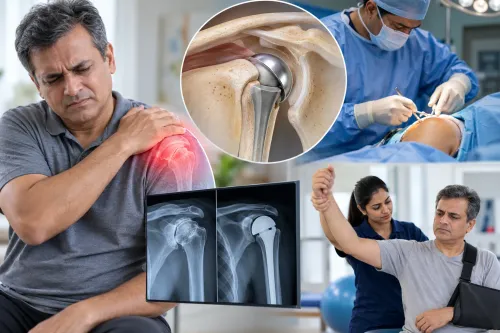
In hemiarthroplasty, the damaged humeral head is replaced with an artificial component while the natural socket is retained.
This differs from a total shoulder replacement, where both sides of the joint are addressed.
Because only part of the joint is replaced, patient selection is particularly important.
Situations Where It May Be Considered
Shoulder Hemiarthroplasty Treatment may be considered in selected cases involving severe damage to the humeral head while the socket remains suitable for preservation.
Potential situations can include certain complex fractures and specific forms of humeral head damage.
The condition of the rotator cuff, socket cartilage, bone quality, age, activity requirements, and cause of shoulder damage all influence treatment planning.
There is no single replacement procedure that is ideal for every shoulder.
Why Imaging Matters
Detailed imaging helps an orthopedic surgeon understand the condition of the bone and joint.
X-rays provide information about arthritis, fracture pattern, alignment, and bone changes. CT imaging may be useful when additional detail about bone structure is required.
The surgeon also evaluates rotator cuff function and the condition of surrounding tissues because these structures contribute significantly to shoulder movement after surgery.
Hemiarthroplasty Is Not Simply a Smaller Replacement
It can be tempting to assume that replacing only one side of the joint automatically makes hemiarthroplasty the simpler or better option.
That is not necessarily the case.
The natural socket must be suitable for continued articulation with the artificial humeral component. If substantial socket damage is present, another type of replacement may be more appropriate.
Similarly, certain rotator cuff problems can influence which reconstruction offers the best mechanical solution.
Recovery Requires Structured Rehabilitation
After surgery, the shoulder requires time to heal.
Early rehabilitation may focus on protecting repaired tissues while gradually restoring movement. Strengthening is introduced according to the surgical procedure and healing progress.
Patients need individualized instructions regarding sling use, sleeping, bathing, lifting, driving, and return to work.
Attempting strenuous movement too early may interfere with healing, while appropriate rehabilitation helps restore useful shoulder function.
Making an Informed Surgical Decision
Before proceeding, patients should understand why hemiarthroplasty has been selected instead of other treatment options.
Useful considerations include the condition of the socket, rotator cuff function, bone quality, expected range of movement, rehabilitation requirements, and realistic functional goals.
Dr. Gaurav Gupta assesses shoulder joint damage using examination and appropriate imaging before recommending a replacement strategy.
For patients in Kandivali evaluating Shoulder Hemiarthroplasty Treatment, the key consideration is not whether partial replacement sounds less extensive. It is whether preserving the natural socket while replacing the damaged humeral side provides an appropriate solution for the specific shoulder condition.
Keywords