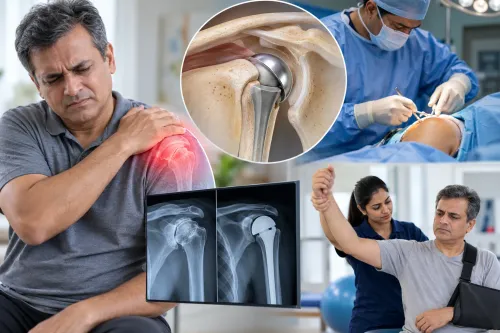
Frozen shoulders can become surprisingly frustrating because the restriction usually develops slowly. Most patients first notice mild stiffness while reaching overhead or stretching the arm backward. Then over time, movements that once felt simple start becoming difficult and uncomfortable without any major injury actually happening.
Patients consulting Dr. Gaurav Gupta in Malad often describe difficulty while combing hair, wearing clothes, reaching shelves, or sleeping comfortably on one side. Some say the shoulder feels unusually tight throughout the day, while others mainly notice sharp restriction during specific movements. The condition can gradually affect routine independence more than people initially expect.
One reason frozen shoulders get ignored early is because many patients assume the stiffness will settle naturally with rest. Instead, movement slowly becomes more restricted over weeks or months. Quite a few patients only seek orthopedic consultation after realizing they can no longer move the shoulder freely during regular daily activity.
Awareness around shoulder rehabilitation has improved significantly now. Patients are asking more detailed questions about physiotherapy, mobility exercises, recovery stages, and how long stiffness may continue. Understanding the condition properly often helps reduce unnecessary anxiety because recovery usually depends heavily on consistent movement focused rehabilitation.
Dr. Gaurav Gupta focuses on evaluating how much shoulder mobility has been affected and whether other joint or tendon related conditions may also be contributing to the restriction. Frozen shoulder management often involves improving movement gradually while reducing stiffness and discomfort over time.
Shoulder movement should not continue getting tighter month after month without proper evaluation. Consulting Dr. Gaurav Gupta in Malad can help patients understand available orthopedic treatment approaches for improving flexibility, movement, and shoulder comfort.
Keywords