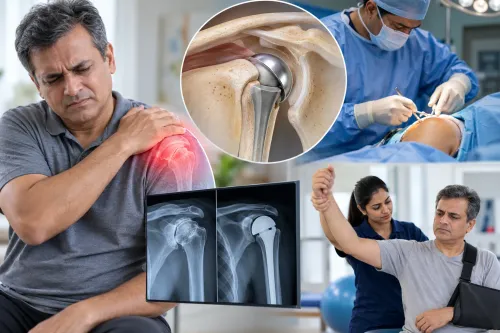
Shoulder stiffness that refuses to improve can gradually affect almost every part of your daily life. Whether you're struggling to reach a high shelf, fasten your seatbelt, or simply lift your arm to comb your hair, persistent pain and reduced movement may be more than just a temporary strain. One common cause is frozen shoulder, a condition that develops gradually and often worsens if left untreated.
Many people in Kandivali initially ignore shoulder discomfort, assuming it will improve with rest. However, recognizing the early symptoms and understanding the available treatment options can help prevent prolonged pain and restore normal movement sooner.
What Is a Frozen Shoulder?
Frozen shoulder, medically known as adhesive capsulitis, occurs when the connective tissue surrounding the shoulder joint becomes inflamed and thickened. Over time, this leads to stiffness, pain, and a significant reduction in shoulder mobility.
The condition usually develops slowly and progresses through different stages, making early diagnosis particularly important.
Early Signs You Should Not Ignore
Frozen shoulders often begin with mild symptoms that become increasingly noticeable over time. Common warning signs include:
- Persistent shoulder pain that worsens at night
- Difficulty raising the arm above shoulder level
- Pain while dressing or grooming
- Reduced range of shoulder movement
- Stiffness that gradually becomes more severe
- Difficulty sleeping on the affected side
Many patients mistake these symptoms for muscle fatigue or a simple sprain, delaying proper treatment.
Who Is More Likely to Develop Frozen Shoulder?
Although anyone can experience frozen shoulder, certain individuals are at higher risk.
Risk factors include:
- Adults between 40 and 60 years of age
- People with diabetes
- Individuals recovering after shoulder surgery
- Those who have experienced prolonged shoulder immobilization
- Patients with thyroid disorders
- People recovering from fractures affecting the upper limb
Understanding these risk factors can encourage earlier medical evaluation before stiffness becomes severe.
The Three Stages of Frozen Shoulder
Frozen shoulder typically progresses through three distinct phases.
Freezing Stage
Pain gradually increases while shoulder movement begins to decrease. Everyday activities become uncomfortable.
Frozen Stage
Pain may reduce slightly, but stiffness becomes much more pronounced. Tasks such as reaching overhead or behind your back become increasingly difficult.
Thawing Stage
Shoulder mobility slowly improves with appropriate treatment and rehabilitation. Recovery may take several months depending on the severity.
Why Early Diagnosis Matters
Ignoring shoulder stiffness often results in longer recovery times. Early diagnosis allows treatment to begin before significant restriction develops.
Benefits of timely diagnosis include:
- Better pain management
- Faster recovery
- Improved shoulder mobility
- Reduced need for prolonged rehabilitation
- Lower risk of permanent stiffness
Seeking medical advice during the early stages often leads to better long-term outcomes.
How Frozen Shoulder Is Diagnosed
Diagnosis generally involves:
- Detailed medical history
- Physical examination
- Assessment of shoulder movement
- Evaluation of pain patterns
When necessary, imaging tests such as X-rays or MRI scans may be recommended to rule out other shoulder conditions, including rotator cuff injuries or arthritis.
Treatment Options for Frozen Shoulder
Treatment focuses on relieving pain while gradually restoring shoulder movement.
Common treatment approaches include:
Activity Modification
Avoiding movements that aggravate pain while maintaining gentle shoulder activity helps prevent worsening stiffness.
Medications
Anti-inflammatory medications may help reduce discomfort during the painful stages.
Physiotherapy
Guided stretching exercises remain one of the most effective treatments for improving shoulder mobility. A structured rehabilitation program is tailored to each patient's condition and stage of recovery.
Image-Guided Injections
In selected cases, injections may help reduce inflammation and improve movement when conservative measures alone are insufficient.
Surgical Intervention
Very few patients require surgery. It is generally considered only when significant stiffness persists despite months of non-surgical treatment.
Can Frozen Shoulder Be Prevented?
While not every case can be prevented, certain habits may reduce the risk.
Helpful preventive measures include:
- Staying physically active
- Performing regular shoulder mobility exercises
- Following rehabilitation programs after injuries
- Managing diabetes effectively
- Avoiding prolonged shoulder immobilization whenever medically appropriate
Recovery Requires Patience
Frozen shoulder usually improves gradually rather than overnight. Attempting aggressive self-treatment or forcing painful movements may actually delay recovery.
Consistent physiotherapy, regular follow-up, and adherence to a personalized treatment plan often provide the best results.
Patients looking for specialized Frozen Shoulder Treatment in Kandivali frequently benefit from a comprehensive orthopedic assessment to determine the stage of the condition and the most appropriate treatment pathway. Dr. Gaurav Gupta evaluates each patient individually, helping identify the underlying cause of shoulder stiffness and recommending evidence-based management aimed at restoring comfortable movement and improving everyday function.
Keywords