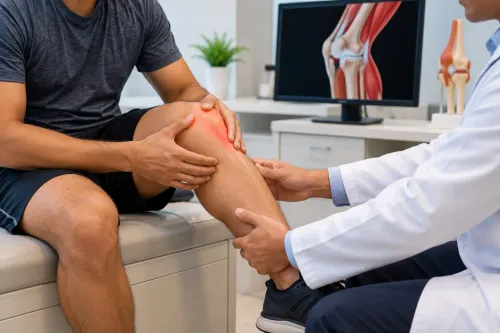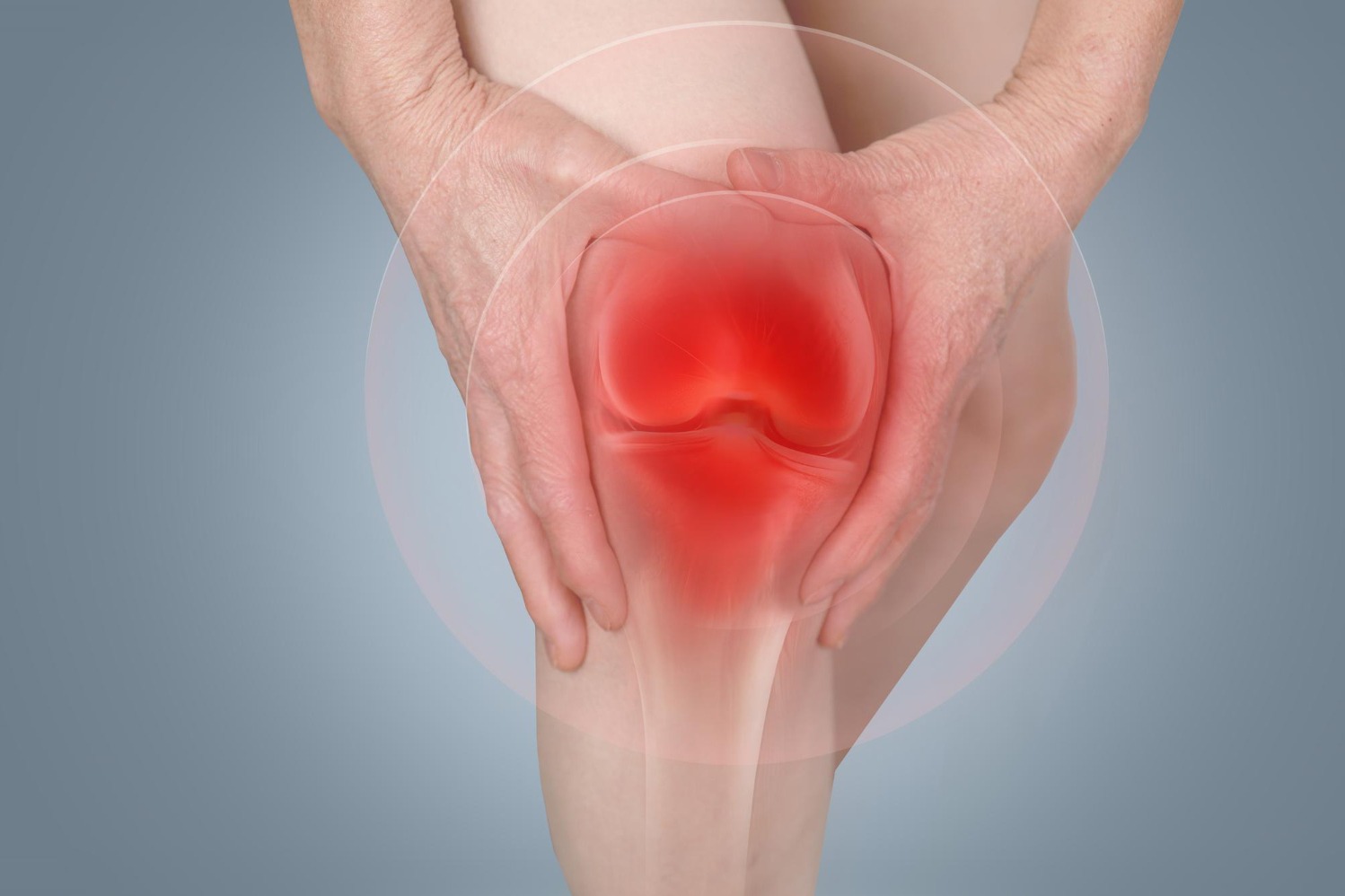
A meniscus tear can cause knee pain, swelling, clicking, catching, or difficulty with certain movements. However, an MRI finding does not automatically mean that surgery is necessary. The appropriate Meniscus Tear Treatment depends on the tear pattern, symptoms, age, activity level, location of the injury, and condition of the rest of the knee.
For patients in Malad, Mumbai, understanding these factors can help distinguish between an injury that may respond to rehabilitation and one that may require surgical treatment.
Recognising Symptoms That Need Assessment
Meniscus injuries commonly occur after twisting or turning the knee, particularly during sports. Degenerative meniscus changes can also develop gradually with age.
Common symptoms include:
- Pain along the side of the knee
- Swelling after activity
- Difficulty squatting
- Clicking or catching
- Restricted movement
- A sensation of locking
- Discomfort during twisting
Persistent symptoms deserve assessment rather than prolonged self-treatment.
How Doctors Assess A Meniscus Injury
Diagnosis usually begins with a clinical examination. The doctor evaluates tenderness, movement, swelling, stability, and the circumstances of the injury.
X-rays may be useful for assessing the bones and arthritis. MRI can provide more detailed information about the meniscus, cartilage, ligaments, and other soft tissues.
The scan needs to be interpreted alongside symptoms. Some meniscus changes can be present without causing the patient's pain.
Conservative Treatment For Suitable Tears
Many meniscus problems can initially be managed without surgery, particularly when the knee remains stable and symptoms are improving.
Treatment may involve:
- Temporary activity modification
- Pain management
- Physiotherapy
- Muscle strengthening
- Movement and flexibility exercises
- Gradual return to activity
Physiotherapy often focuses on strengthening the quadriceps, hamstrings, hips, and surrounding muscles while improving movement control.
When Surgery May Become Necessary
Surgery may be considered when symptoms persist despite appropriate conservative care or when the tear causes significant mechanical problems.
The surgical approach depends on the tear. Some tears may be repairable, while others may require selective removal of damaged tissue.
Whenever possible, preserving healthy meniscal tissue is important because the meniscus contributes to load distribution and knee function.
Recovery After Treatment
Recovery depends on whether the patient receives non-surgical treatment, meniscus repair, or another arthroscopic procedure.
After conservative care, improvement may occur gradually as strength and movement return.
Following meniscus repair, recovery can take longer because the repaired tissue needs protection while it heals. Crutches, restricted movement, and staged physiotherapy may be required.
Patients should not compare their recovery timeline with another person's because different tear patterns require different treatment plans.
Benefits And Risks
Successful treatment can reduce pain, improve movement, and help patients return to normal activities.
Surgical risks include infection, bleeding, blood clots, stiffness, persistent symptoms, nerve or blood-vessel injury, and complications related to anaesthesia.
The long-term condition of the knee also matters. Existing cartilage damage or arthritis may continue to contribute to symptoms even after a meniscus problem has been treated.
Frequently Asked Questions
Does every meniscus tear need surgery?
No. Many patients can initially be managed with activity modification, medication, and physiotherapy.
Can a meniscus tear heal naturally?
Healing depends on the tear's location and blood supply. Some tears have better healing potential than others.
How long does recovery take?
It varies according to treatment. Rehabilitation after meniscus repair generally takes longer than recovery from simpler procedures.
Can I exercise with a meniscus tear?
The appropriate activity depends on symptoms and the type of tear. High-impact or twisting activities may need to be restricted initially.
For patients considering Meniscus Tear Treatment in Malad, a treatment decision should be based on symptoms, clinical findings, imaging, and functional goals rather than an MRI report alone.
Keywords